

What Does Lawn and Landscape Maintenance Include for Homeowners?
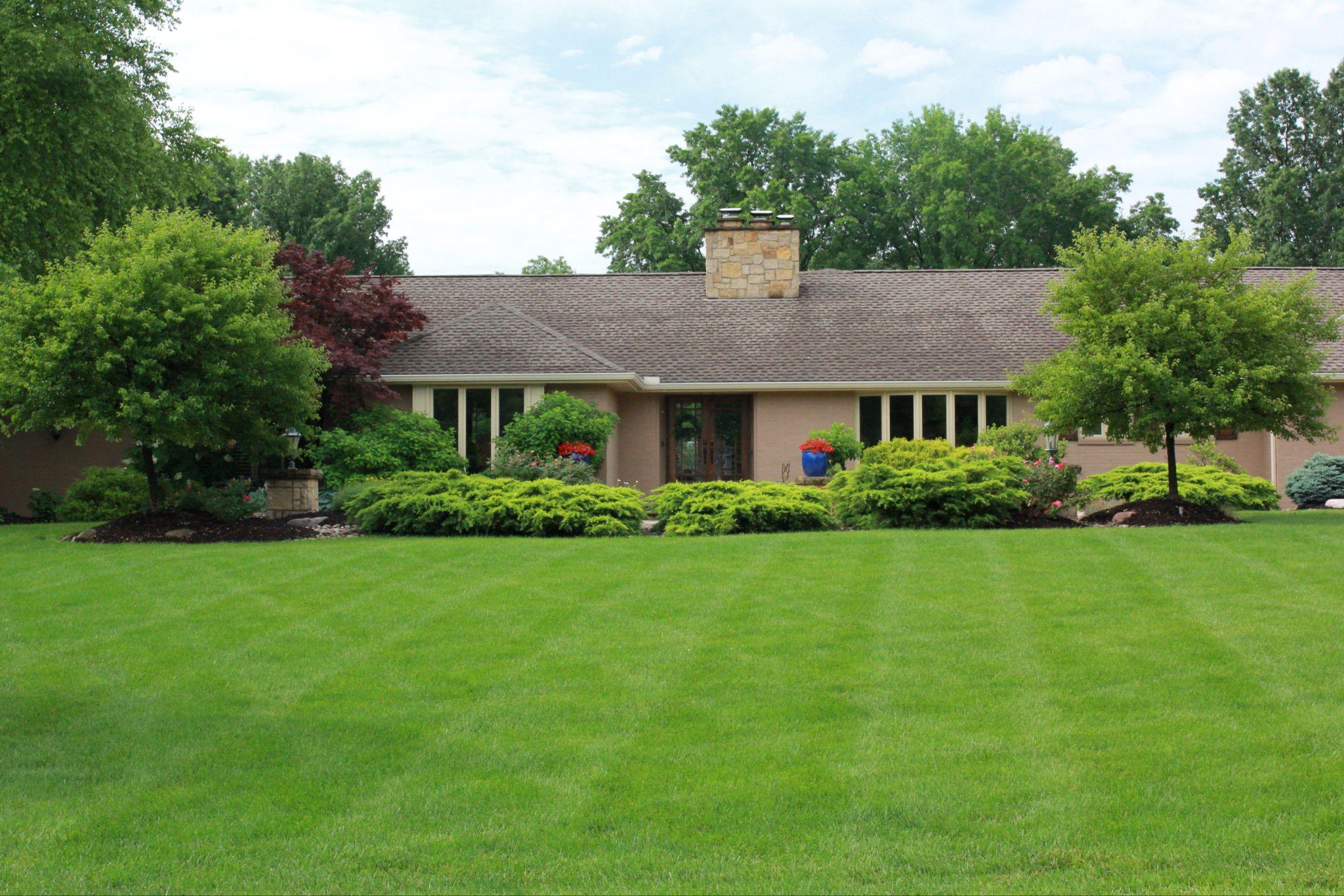
“Landscape and lawn maintenance” sounds simple, but what does it actually involve? For some providers, it means little more than mowing, trimming, and seasonal cleanup. Without a clear standard, it is difficult to know if your property is actually being managed or if your provider is simply checking boxes while the deeper health of your landscape is ignored.
This lack of clarity is where costly problems begin. Lawns are cut but never strengthened. Shrubs are sheared for shape but not pruned for long-term structure. Irrigation systems run on autopilot without anyone checking for coverage gaps or leaks. On the surface, everything looks fine—until density weakens, growth becomes stunted, and minor oversights turn into expensive, avoidable repairs because the essential elements were never part of the plan.
Comprehensive care is different; it is structured, intentional, and proactive. By coordinating turf management, pruning cycles, irrigation performance, and soil conditioning into a single strategy, the landscape is treated as a unified system rather than a collection of isolated tasks. This level of oversight ensures that a yard remains a place for relaxing evenings and welcoming guests, rather than a source of constant “to-do” lists.
Ultimately, understanding what landscape maintenance includes allows for a move beyond surface-level upkeep to a standard of care that protects a home’s value and provides lasting peace of mind.
1. Lawn Care That Supports Healthy Turf Over Time
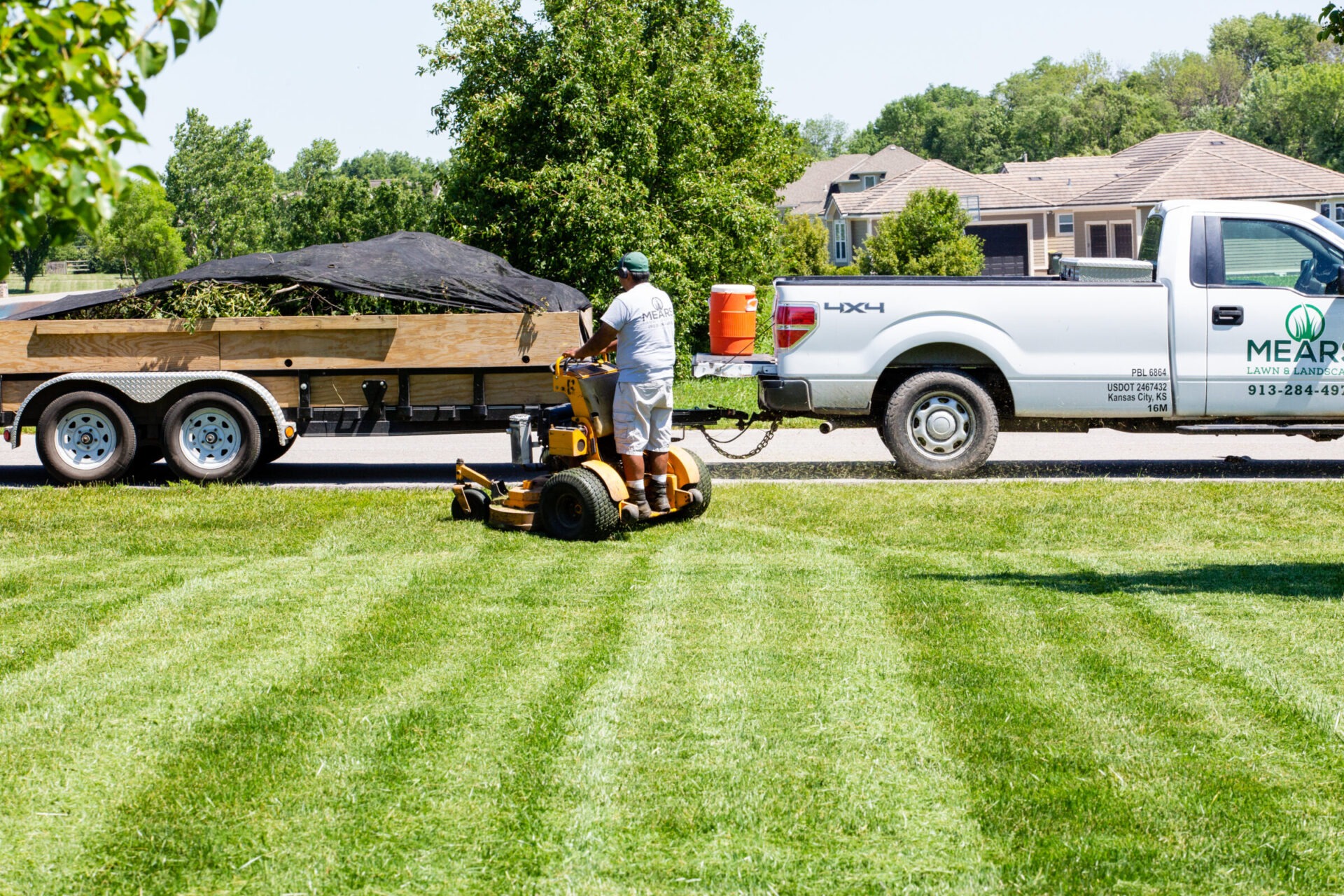
Healthy turf does not happen by accident. Professional lawn care services focus on consistent oversight rather than occasional correction, ensuring that the lawn is treated as a living system rather than just a surface to be mowed.
Important lawn and landscape bed maintenance tasks include:
- Precision Mowing: Cutting weekly at 3 to 4 inches, the sweet spot for the cool-season grasses across the Midwest. Taller turf shades out weeds and holds moisture, while cutting too short scalps the lawn and stresses it. Weekly visits also keep growth in check, so clippings never pile up in clumps.
- Nutrient Management: Applying fertilizer on a seasonal schedule built around how cool-season grasses actually grow, feeding hardest in fall when roots do their real work and easing off in the heat of summer.
- Weed and Pest Control: Treating broadleaf weeds and crabgrass before they take hold, and watching for grubs and other turf pests that thin a lawn from below. Catching problems early beats fighting them after the damage shows.
- Aeration and Overseeding: Relieving soil compaction and overseeding thin areas at least once a year supports deeper root systems and stronger, denser turf.
To ensure these efforts translate into long-term resilience, experts use a residential landscape maintenance checklist during regular property visits. Detailed walkthroughs allow experts to monitor early stress indicators such as dry areas, discoloration, or fungal issues, as well as pest pressure, before they lead to widespread turf loss.
To see how this level of structured turf oversight fits into a complete property plan, it is helpful to explore landscape maintenance from a whole-property perspective.
2. Landscape Bed & Shrub Care That Manages Growth And Curb Appeal
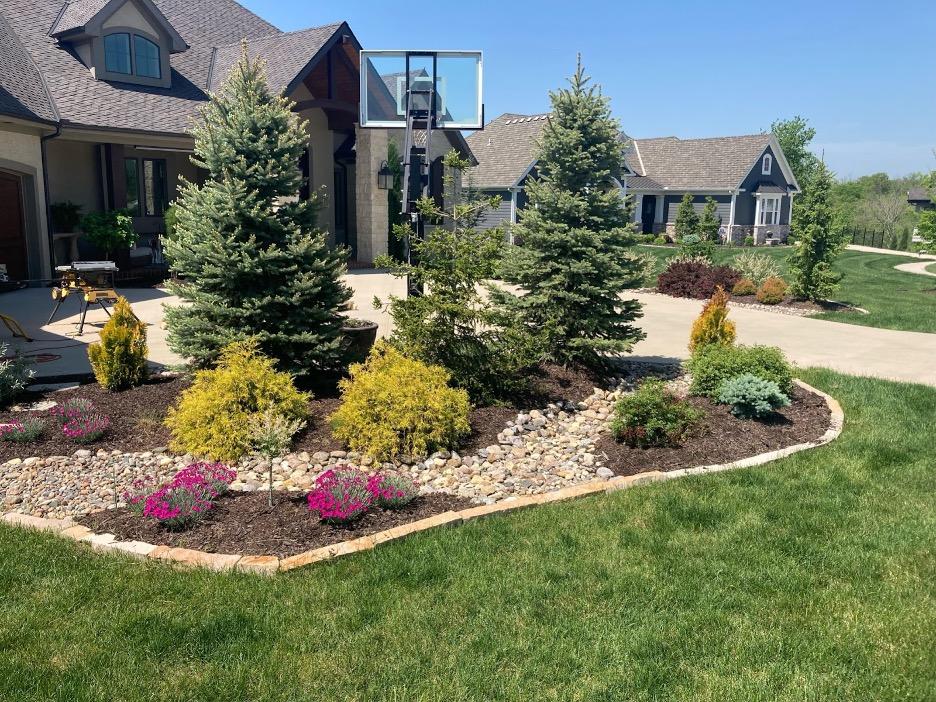
Shrubs and landscape beds shape a property’s appearance and help define outdoor living areas. Professional landscape bed maintenance keeps growth controlled and visually balanced while ensuring the long-term structural health of each plant.
This strategic pruning and bed care approach focuses on:
- Structural Integrity: Removing damaged branches and encouraging proper branching patterns to maintain clear sightlines around windows and patios.
- Knowledgeable Timing: Adjusting pruning based on bloom cycles—some shrubs require care immediately after flowering, while others respond best to dormant-season trimming.
- Targeted Nutrition: Applying seasonal fertilization to support steady development without forcing the weak, rapid growth that often breaks under stress.
- Mulching and Bed Definition: A professional mulching service regulates moisture and temperature around root zones while keeping mulch and rock edges crisp and contained within their designated areas.
Beyond aesthetics, regular inspections help detect early signs of pest pressure or nutrient deficiencies. Yellowing leaves or branch die-back often signal underlying irrigation concerns that require attention. Consistent growth management also preserves safety by ensuring shrubs do not block lighting fixtures or encroach onto walkways, and it’s one of the fastest ways to improve a property’s curb appeal landscaping without a full redesign.
To learn how coordinated plant and shrub care fits into a unified landscape strategy, explore our full-service landscape maintenance solutions.
3. Tree Health Monitoring That Protects Mature Trees
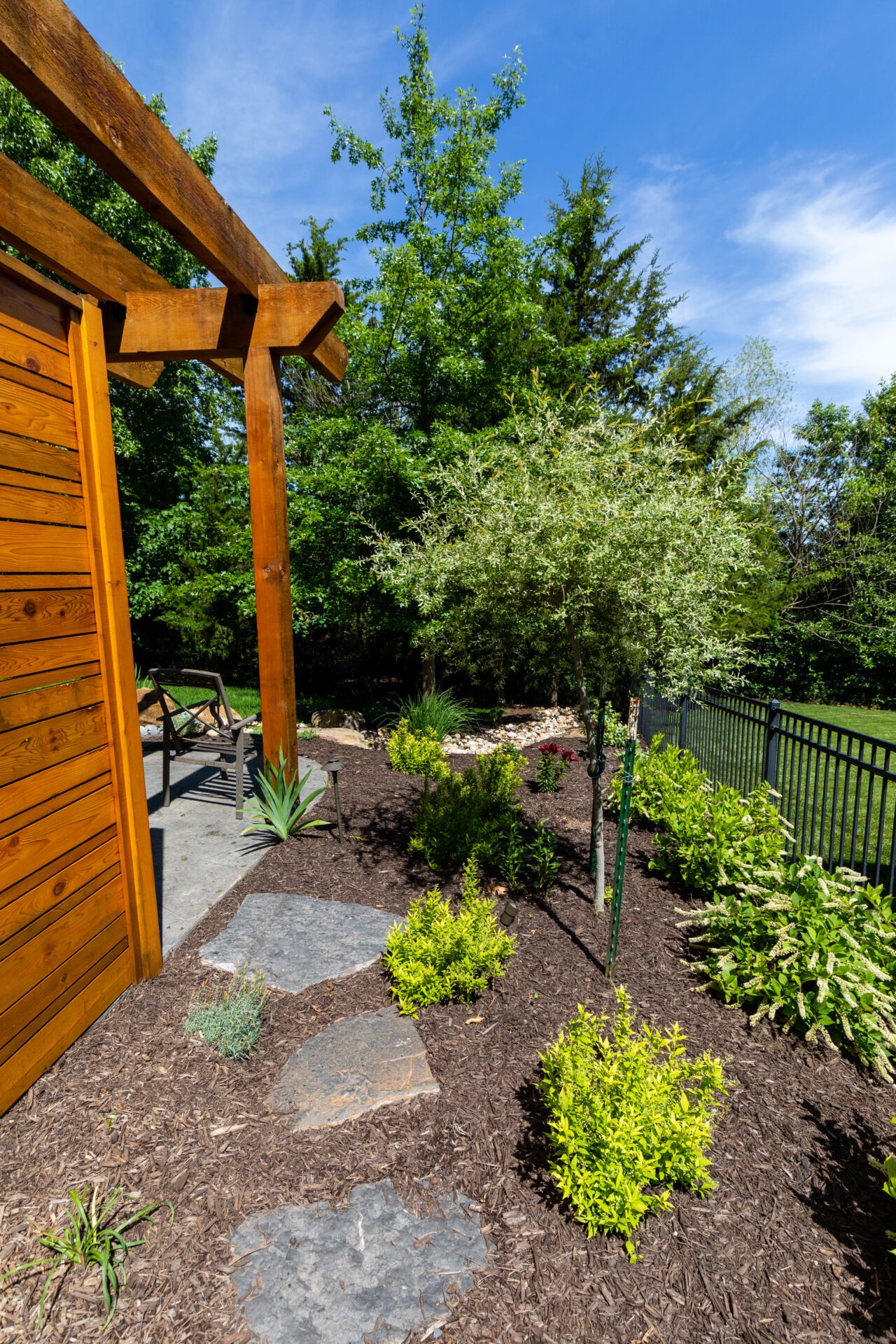
Mature trees anchor a landscape visually and structurally, but they require consistent oversight to remain stable. A regular tree health inspection is a critical component of property protection, focusing on catching subtle warning signs before they lead to significant decline or the need for tree pruning or removal.
To ensure long-term stability, experts perform regular evaluations that focus on:
This strategic pruning and fertilization approach focuses on:
- Visual Health Indicators: Identifying thinning canopies, early leaf drop, or bark splitting that may indicate underlying stress or disease.
- Limb Inspection: Flagging loose, hanging, or low limbs during every visit and recommending removal before they come down on a car, a roof, or someone walking underneath.
The Emerald Ash Borer Annual Checkups
Emerald ash borer has been working its way through the Midwest for years now, so the question for most property owners is no longer whether it has arrived. It is whether a particular ash tree is still worth protecting.
That’s a question best answered once a year by someone who knows what to look for. An annual inspection tracks whether the tree is still putting on new growth and how the canopy is holding up overall, which gives a clear picture of its health going into the next season. From there, deciding whether to keep up treatments becomes a straightforward call rather than a guess. Plenty of ash trees are still standing strong with the right care, and a yearly look is what tells you which ones those are.
Folding pest observation into a regular maintenance plan means small problems get caught while they are still small, and the shade, safety, and long-term value of a mature landscape stay intact.
4. Irrigation Checks That Prevent Dry Spots And Overwatering
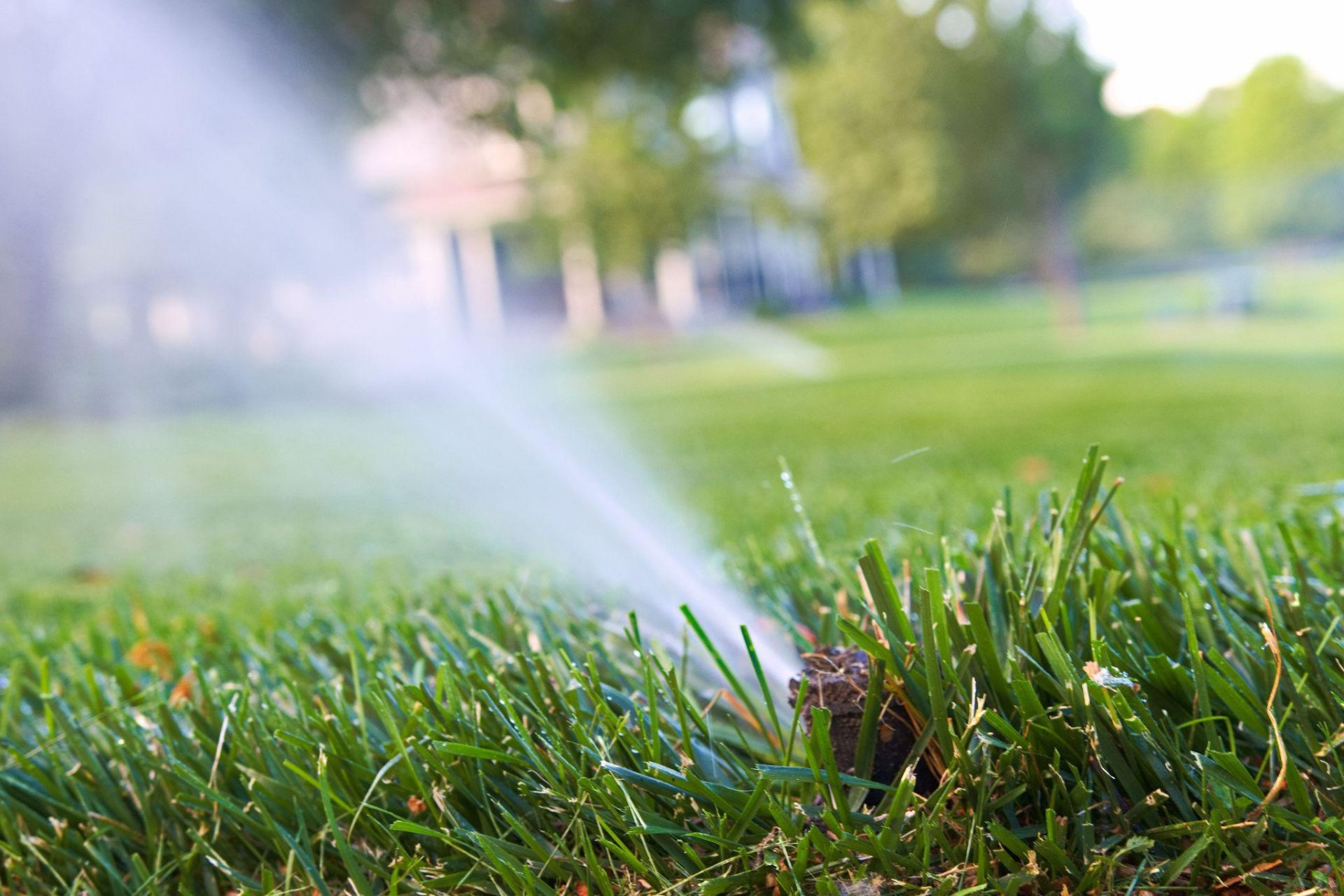
Getting water to the right places in the right amounts is what separates a patchy lawn from a pristine one. A properly maintained system delivers that consistently, keeping grass green and shrubs healthy without wasting a drop.
Reliable performance depends on a proactive approach to water management. To maintain this equilibrium, experts oversee the technical health of the system year-round through routine sprinkler system inspection and controller schedules, including:
- Proper Watering Schedules: Adjusting controller schedules, checking sprinkler head alignment, and monitoring pressure to ensure uniform coverage.
- Leak & Obstruction Detection: Identifying underground leaks, valve malfunctions, or heads that have become blocked by maturing shrubs.
- Seasonal Adjustments: Three visits a year keep a system running efficiently and protect it from Midwest winters:
- Start-Up/Activation: Charging the system in spring, checking every head and zone for winter damage, and setting an initial watering schedule for the season ahead.
- Summer Audit: Walking the system mid-season to catch clogged or misaligned heads, then dialling schedules up or down to match the heat and rainfall the lawn is actually getting.
- Winterization: Shutting the system down and clearing water from the lines before the first hard freeze, which is what prevents cracked pipes and split valves come spring.
Failing to maintain this equilibrium between “too wet” and “too dry” leads to immediate plant stress. Overwatering encourages shallow root systems and fungal growth, while underwatering causes turf and shrubs to decline. For homeowners who want this handled proactively rather than reactively, our Hydrawise Premier program builds a monthly irrigation inspection and wellness check into your plan. An irrigation expert is on site every month to get eyes on the property and evaluate the whole system zone by zone, so coverage gaps and pressure issues are caught before they cause damage or waste water.
5. Grading And Drainage Monitoring Around The Property
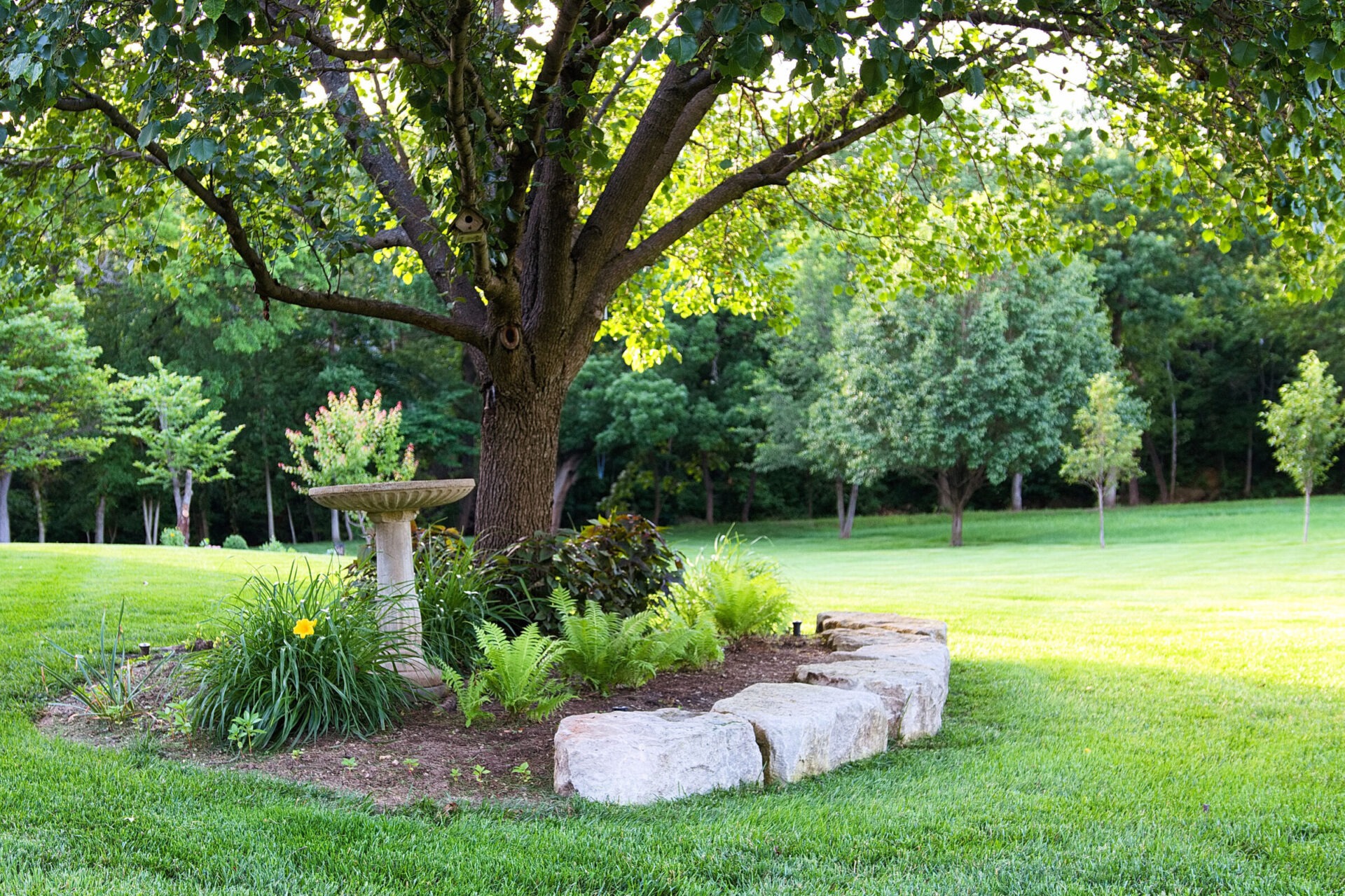
Proper drainage of water across a property plays a major role in plant health and structural protection. Comprehensive oversight helps prevent the kind of gradual damage, such as turf saturation or foundation pressure, that may otherwise go unnoticed until it becomes a costly repair issue.
Effective landscape grading and drainage care ensure that water moves away from foundations, patios, and landscape beds. Drainage problems are hard to spot on a dry day, which makes the homeowner the best early warning system there is. During the next good rain, or shortly after it stops, take a quick walk around the property and call us if anything looks off.
Key drainage maintenance measures include:
- Elevation Changes: Identifying minor shifts in grading that may alter how water flows during heavy rainfall.
- Surface Pooling & Muddy Lawns: Locating areas where standing water weakens turf density and creates mud.
In addition to grading itself, drainage components such as French drains, downspout extensions, gutters, and catch basins must be reviewed regularly. Debris accumulation can quickly block proper flow, leading to saturation in nearby landscape beds. Clearing and maintaining these features, adding a downspout extension where water is discharging too close to the foundation, are essential tasks that protect both the turf and ornamental plantings.
By identifying pooling areas or restricted flow early, property owners can address drainage issues before they impact the structural integrity of the landscape or home.
6. Pest And Weed Control That Protects Turf From Sudden Damage
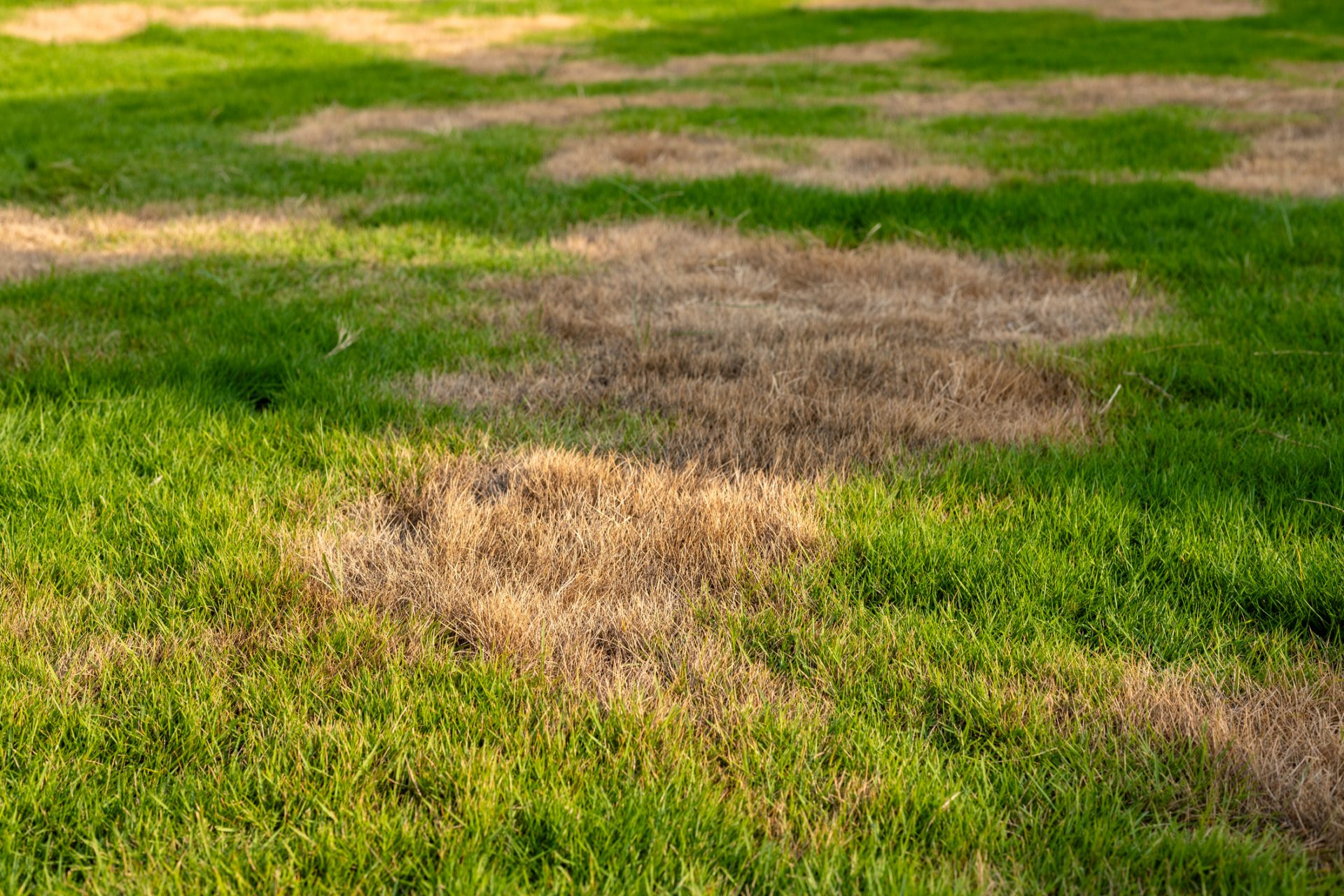
Healthy lawns and planting beds can decline quickly when pest and weed pressures are not monitored consistently. Effective weed control service and lawn pest control focus on early detection and targeted treatments that protect long-term turf strength. By identifying issues before they escalate, experts preserve the health of the entire property.
Insect activity presents a particularly immediate threat. Armyworms, for example, can strip sections of lawn within days, often appearing as irregular brown patches that expand rapidly. A preventive insect control program, along with consistent observation, enables targeted treatment before these pests cause widespread damage that would otherwise require costly turf restoration.
Targeted pest and weed management strategies include:
- Preventative Applications: Timing pre-emergent treatments to the season so crabgrass and other annual weeds never get the chance to germinate. Stopping a weed before it sprouts is far easier than dealing with it after.
- Selective Weed Control: Treating whatever does break through with targeted applications that eliminate dandelions, clover, and nutsedge without harming the surrounding grass.
- Proactive Insect Monitoring: Checking for armyworms, bagworms, Japanese beetles, and other pests to ensure timely intervention before they cause severe structural damage.
Consistency across these efforts prevents the need for reactive restoration. By aligning treatments with the specific threats of each season, property owners protect the long-term strength of their landscaping and avoid the high costs of lawn replacement.
An Important Note: Watching For Armyworm Activity
“Armyworms are one of the most damaging turf pests homeowners in our area deal with, especially during late summer into fall when fall armyworm populations spike. A healthy-looking lawn can show large brown, chewed-down patches overnight once armyworms move through, since they feed in groups and can strip grass blades faster than most other lawn pests. Because armyworm damage can be mistaken for drought stress or disease, catching it early matters. Armyworms can damage a lawn overnight, so our armyworm prevention program is dependable protection. Watch for ragged or notched grass blades, birds feeding heavily in one area, and fast-spreading thin or brown patches in early to mid-August, and give us a call right away. When armyworm activity is confirmed, prompt treatment is key to stopping the damage before it spreads to healthy turf nearby.“
Jay Sackuvich, Turf Operations Manager, Mears Lawn & Landscape
7. Seasonal Cleanups And Services That Prepare Landscapes For Change

Planning for the changing seasons is essential to maintaining property value and plant health. Professional oversight ensures that maintenance strategies evolve alongside the weather, allowing the property to transition smoothly through each environmental shift.
Each phase of the year presents unique stress factors: spring calls for debris removal and bed edging to prepare turf for active growth; summer requires irrigation accuracy checks and monitoring for stress, weeds, and pests; fall means managing leaf accumulation before it smothers turf; and winter is about winterizing irrigation lines.
For homeowners who’d rather not track every seasonal deadline themselves, our monthly landscaping maintenance program makes sure that seasonal changes are less daunting for your property. We also offer a dedicated spring cleanup service to kick off the growing season as well as a dedicated fall lawn renovation service to set you up for success the following year.
Above all, consistency across all four seasons prevents the need for reactive, expensive corrections.
Consistent debris removal keeps turf healthy by letting light and air reach the grass, and healthy turf is what makes a yard genuinely enjoyable to spend time in, entertain in, and come home to. It also makes the kind of first impression that says the property is cared for on purpose.
Our seasonal services, from Spring to Fall:
- Spring Clean-Up and Mulch: Clearing winter debris out of the beds and lawn, then laying fresh mulch to hold moisture, suppress weeds, and sharpen up the property heading into the growing season.
- Shrub Trimming: Shaping shrubs and ornamentals so they fill in evenly instead of growing leggy, keeping sightlines open and beds looking intentional.
- Summer Clean-Up and Weed Management: Staying ahead of weeds through the heat and keeping beds, walkways, and patios clear of clippings and debris during the months the property gets the most use.
- Fall Pruning: Cutting back perennials and pruning what needs it before winter, removing spent growth that traps moisture against stems or gives pests a place to overwinter.
- Leaf Removals: Clearing leaves as they come down rather than waiting for one late pass, so a matted layer never gets the chance to smother the grass underneath.
Kansas City doesn’t ease from one season into the next. Summer heat can give way to a hard freeze in a matter of days, and spring will hand out seventy degrees one week and a late frost the next. That pace is exactly why seasonal cleanups matter here more than they would somewhere milder. Leaves need to come off the lawn before the first wet snow mats them down. Swales need to be clear before the spring storms roll through. Beds need to be ready for the season ahead instead of still holding onto the last one. Staying on that schedule means the property is prepared for whatever the weather decides to do next, and the lawn heads into each season healthy rather than playing catch-up.
Bringing It All Together
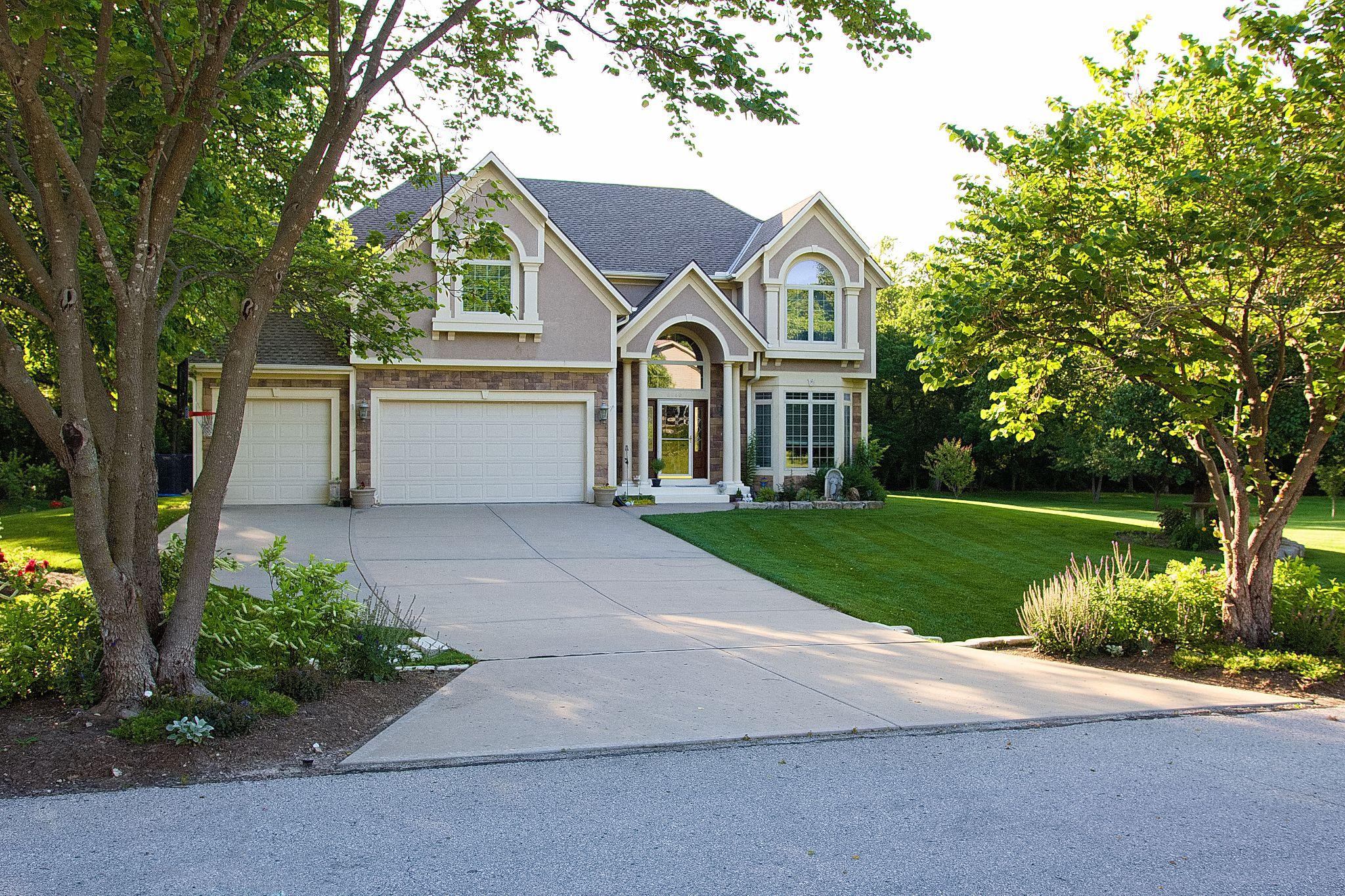
When you take a full-property view, the value of a coordinated maintenance system becomes clear. It isn’t just a series of chores; it is a strategic alignment of turf care, soil management, irrigation oversight, and seasonal preparation. Mears Lawn & Landscape provides this level of comprehensive oversight, ensuring your property remains stable, welcoming, and resilient year-round.
Managing these moving parts together prevents the “siloed” issues that often lead to expensive repairs. Whether it’s through our monthly landscaping maintenance program, which keeps mowing, cleanup, and property checks on a consistent schedule, or our Hydrawise Premier irrigation services that give your system a monthly wellness check, the goal is the same: catching small issues before they become expensive ones.
A unified approach to property maintenance provides:
- Coordinated Care: Ensuring that irrigation schedules match soil types and nutrient applications align with seasonal growth patterns.
- Long-Term Stability: Monitoring drainage and grading to protect foundations and hardscapes from water damage.
- Year-Round Curb Appeal: Maintaining crisp bed edges, clean walkways, and healthy turf density for a polished look in every season.
If you would like guidance tailored to your entire property, take the next step and request a quote!
Summary
Effective landscape maintenance requires a coordinated strategy that accounts for seasonality. By streamlining essential lawn and garden maintenance tasks, such as turf care, irrigation oversight, soil support, and drainage evaluation, into one program with professional oversight, you ensure your property remains resilient and your investment is protected year after year.
Tags: