

Residential Landscape & Lawn Maintenance: A Complete Property Care Guide
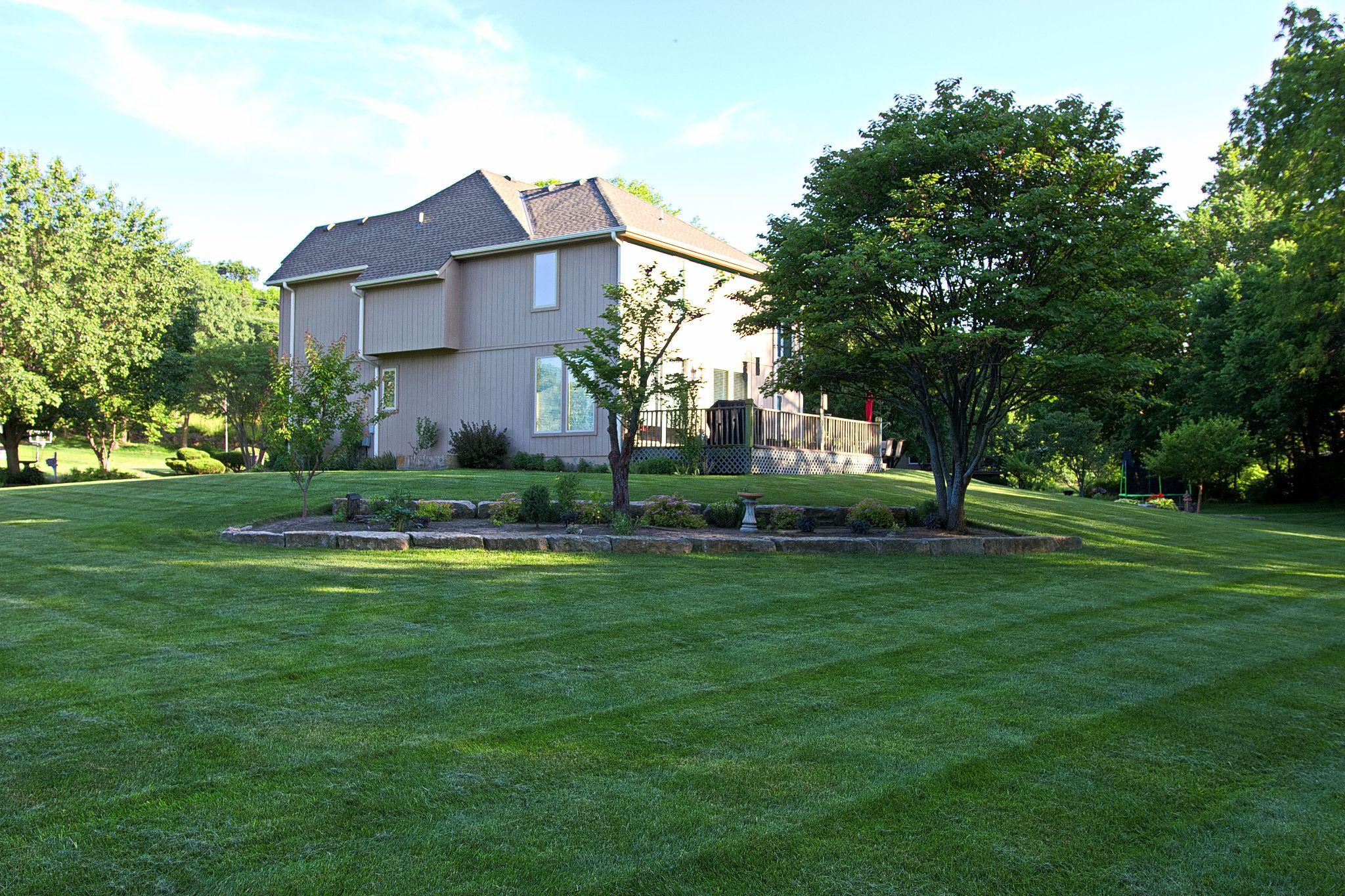
Homeowners often view their yards as living extensions of their homes, but keeping a property healthy and attractive can feel overwhelming. This is especially true in Midwest climates, where dramatic seasonal shifts require constant adaptation. A neglected lawn hurts curb appeal, while ignored landscape beds quickly become overgrown, weedy, or prone to drainage issues. A thoughtful, year-round property care plan helps prevent these problems before they become expensive or time-consuming.
This guide explains what an effective lawn and landscape maintenance plan includes. Use it as a reference for your own DIY care or as a checklist for choosing the best local property maintenance team.
What Does Landscape Maintenance Include Across The Whole Property?
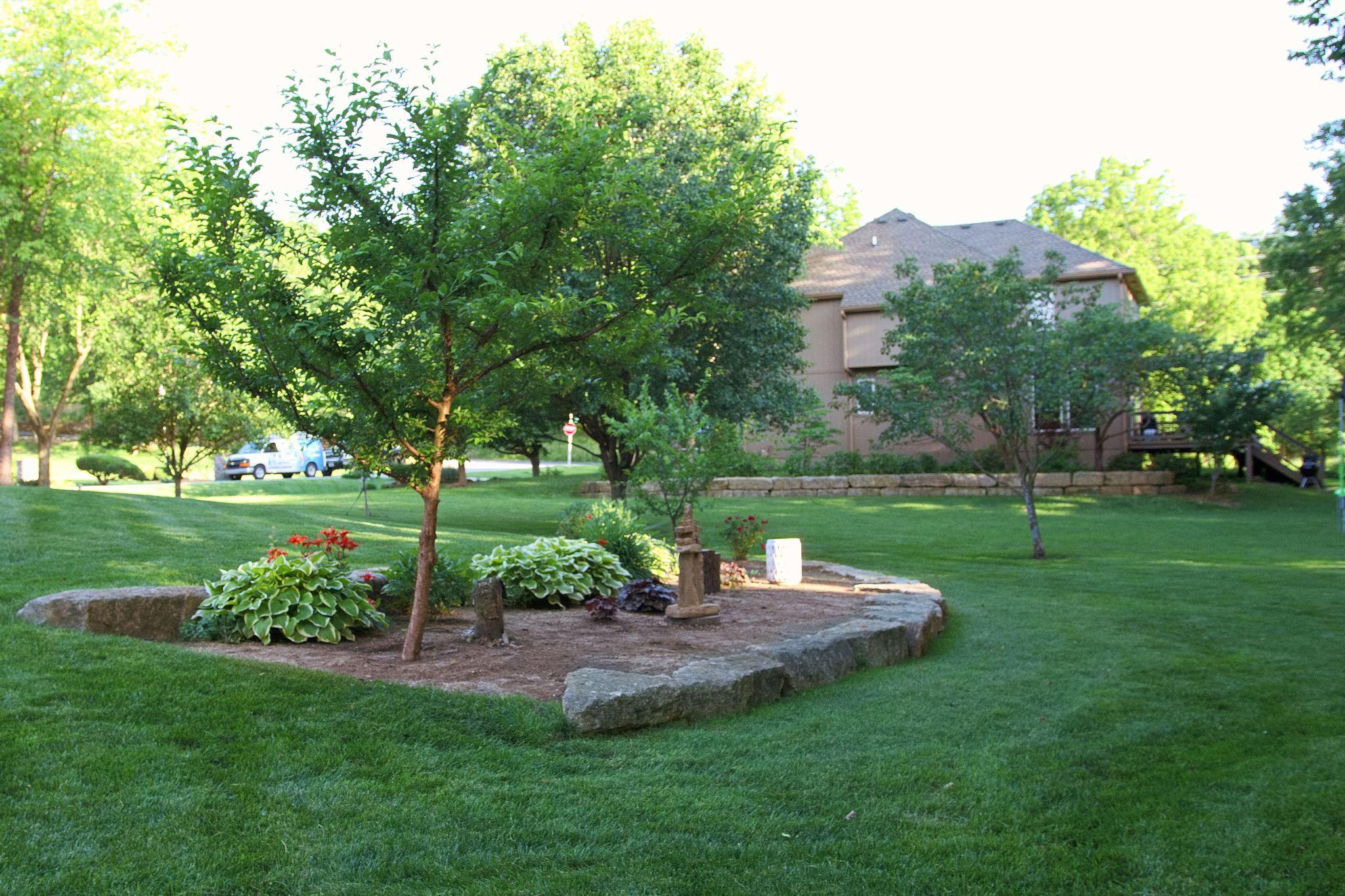
Landscape maintenance includes far more than just lawn mowing. A full property maintenance checklist should include lawn care, landscape-bed care, irrigation, and drainage management. To manage these moving parts effectively, most homeowners benefit from a year-round landscape maintenance plan that views the property as a series of distinct zones, each with its own technical requirements.
Property Zones And Key Tasks
Maintaining a healthy property requires a coordinated approach across these five essential zones:
- Lawns: Success involves mowing at the correct height and timing. Watering must adjust for seasons, weather, and turf age (sod vs. mature). Precise, timely fertilization and pre-emergent applications maximize impact while preventing runoff.
- Landscape beds: Management includes pre-emergent treatments, spot weeding, and annual soil monitoring. To thrive, beds need consistent mulch replenishment, hardy plant selection for seasonal color, and regular pruning to encourage growth.
- Trees and shrubs: Annual inspections track root growth and signs of disease to prevent property damage. Pruning should occur during the dormant season or as needed for structural health.
- Drainage: Monitoring is critical to ensure grading directs water away from your foundation and basement. Installing or maintaining French drains and downspouts prevents pooling and erosion.
- Irrigation systems: Beyond installation and repair, systems require professional startup/shutdown schedules. Constant monitoring and testing throughout the year ensure efficiency and prevent water waste.
While these interconnected tasks may seem complex, a structured maintenance plan makes them easy to manage. By breaking the property down into these specific zones, homeowners and property managers can ensure the entire landscape remains strong, healthy, and attractive year after year.
Lawn and Landscape Care seasonal checklists: things you MUST do for healthy outdoors
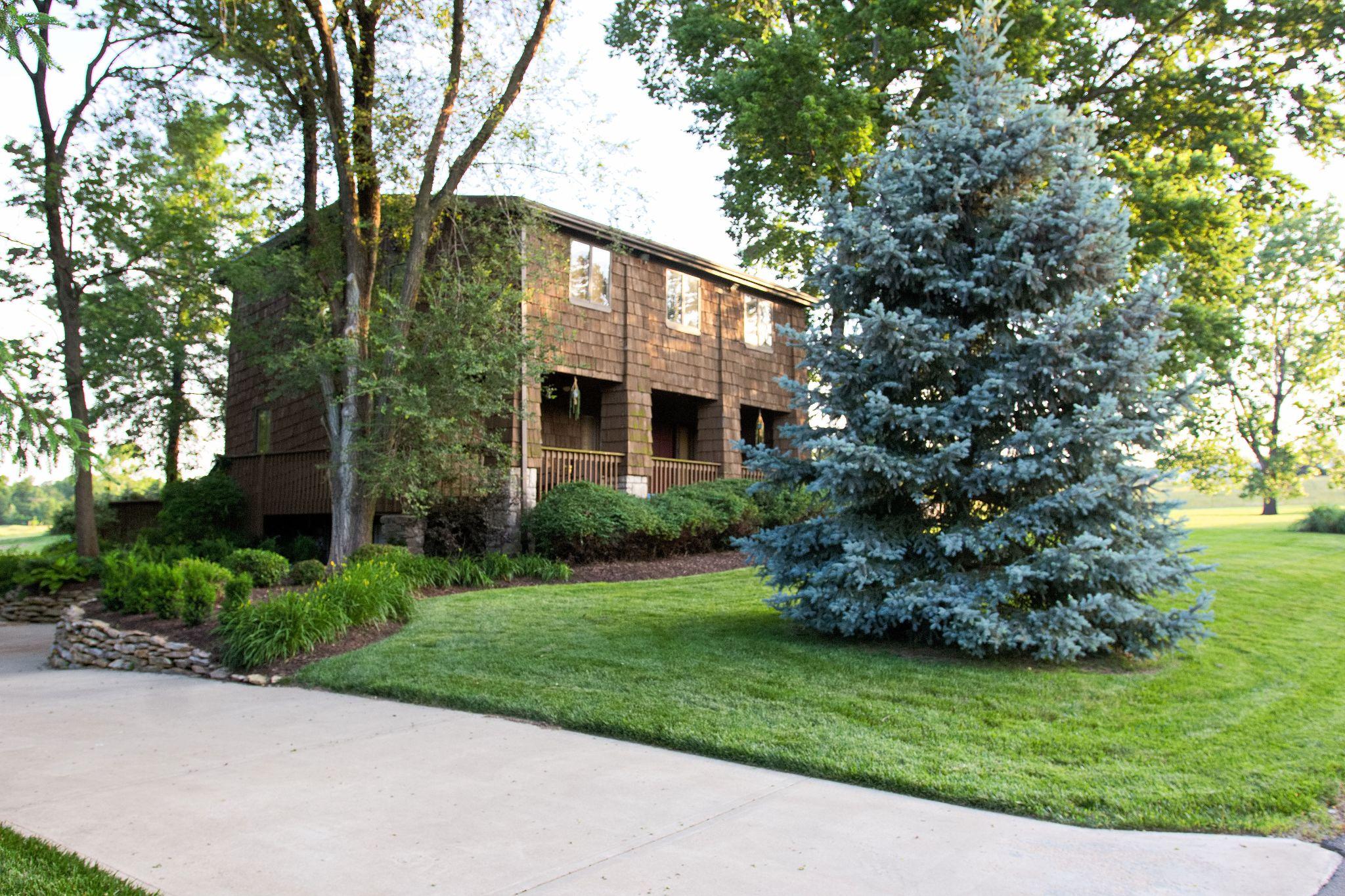
As the weather shifts from spring to summer and fall, your landscape’s needs change. Implementing a seasonal landscape maintenance checklist ensures that your residential landscape maintenance plan stays effective year‑round. Use these guidelines to adapt your maintenance plan as the Kansas City weather changes, and remember: no two seasons are alike—treat these as general guidelines and adapt as you feel necessary.
Lawn Care
Following a seasonal lawn care maintenance checklist is essential for maintaining turf health and resilience as temperatures fluctuate.
Spring: Preparing for the Heat
- Clear debris: Remove winter litter and rake away small branches.
- Pre-emergent treatment: Apply in early spring to prevent crabgrass.
- Weed watch: Spot spray or hand-pull weeds, ensuring you remove roots and rhizomes.
- Aeration: Only aerate if soil is severely compacted; otherwise, wait until fall.
Summer: Stress Management
- Mowing: Raise blade height to help the soil conserve moisture.
- Irrigation: Test the system and water deeply during early morning hours.
- Monitoring: Watch for drought stress, disease, thinning, and pests.
- Summer weeds: Target nutsedge and other heat-loving varieties.
- Pest prevention: Apply grub pre-emergents and preemptive armyworm treatments.
Fall: Setting the Foundation
- Aeration & Seeding: Core-aerate to reduce compaction and overseed thin areas.
- Nutrition: Apply fall fertilizer to support root health.
- Leaf removal: Prevent heavy leaf buildup from choking the grass.
- Irrigation: Gradually reduce watering as temperatures drop.
Winter: Dormant Protection
- Irrigation: Install or update systems before the ground freezes.
- Turf care: Limit foot traffic on frozen or dormant grass.
- Planning: Finalize landscape goals and updates for the coming year.
Landscape Bed Care
While beds follow a similar rhythm to lawns, their maintenance focuses on stability and aesthetics.
Spring: Bed Preparation
- Cleanup: Remove winter twigs, cut back dead perennials, and tidy edges.
- Mulching: Apply a fresh layer to retain moisture and suppress weeds.
- Planting: Add seeds for new annuals and treat young weeds before they spread.
Summer: Hydration and Growth
- Targeted watering: Adjust for sun exposure to prevent drought stress.
- Maintenance: Deadhead flowers and prune shrubs to maintain structure.
- Mulch check: Replenish any mulch washed out by heavy summer rains.
- System monitoring: Ensure irrigation valves are functioning correctly.
Fall: Winter Readiness
- Clearance: Remove spent annuals and cut back plants as appropriate.
- Protection: Refresh mulch and apply fertilizer for winter storage.
- Debris: Rake or blow leaves out of the beds.
Winter: Structural Care
- Dormant pruning: Trim larger shrubs and ornamental trees.
- Enhancements: Plan your bed expansions or plant changes for next spring.
At Mears Lawn & Landscape, we offer a 7-Step Fertilizing & Weed Control Program to ensure your property remains healthy through every season.
What are the signs your lawn needs maintenance?
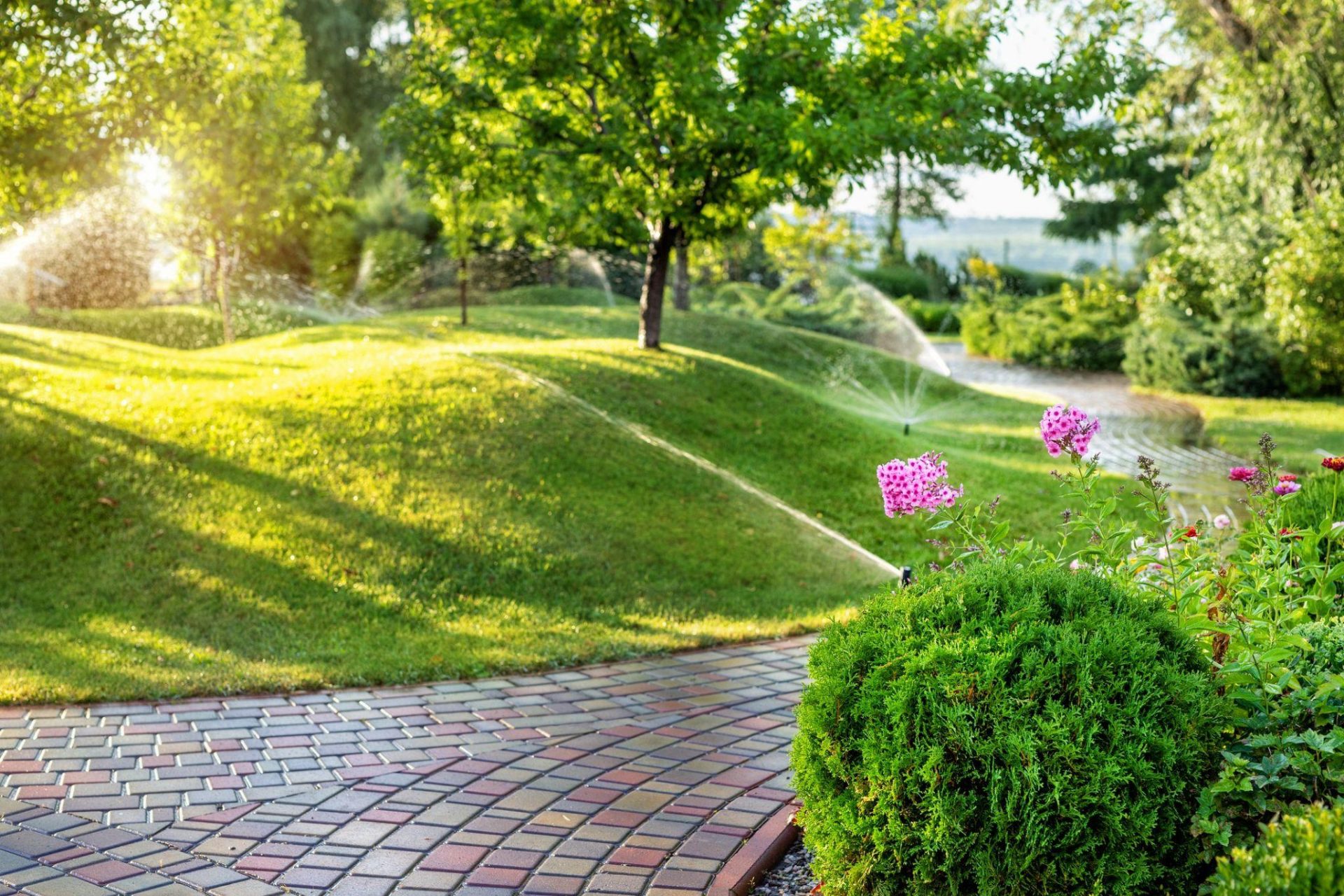
A lawn usually shows signs of trouble before it fully declines. Identifying these early warning signs can prevent the need for expensive landscape overhauls later:
- Weeds taking hold: Skipping pre‑emergent treatments allows broadleaf and grassy weeds like crabgrass to invade your lawn and beds.
- Brown or Thinning Areas: These spots typically indicate drought stress, soil compaction, or insect activity—conditions Kansas City lawns are especially vulnerable to during summer heat.
- Pooling water: Soggy turf or puddling usually signals drainage issues or a malfunctioning irrigation system that needs professional adjustment.
- Fungus: Over-watering or watering too late in the evening leaves lawns damp, creating a breeding ground for fungal diseases.
- Late-Season Insect Damage: Fall armyworms can devastate turf overnight; it is vital to apply preventative treatments before physical damage appears.
- Overgrowth: Without regular pruning, shrubs and trees lose their structure, becoming unkempt and potentially hazardous during Midwest storms.
Ignoring these signs leads to more work and potentially expensive property damage. Consistent monitoring ensures these small issues are addressed before they become major concerns.
What is the best watering schedule for lawns and landscapes?
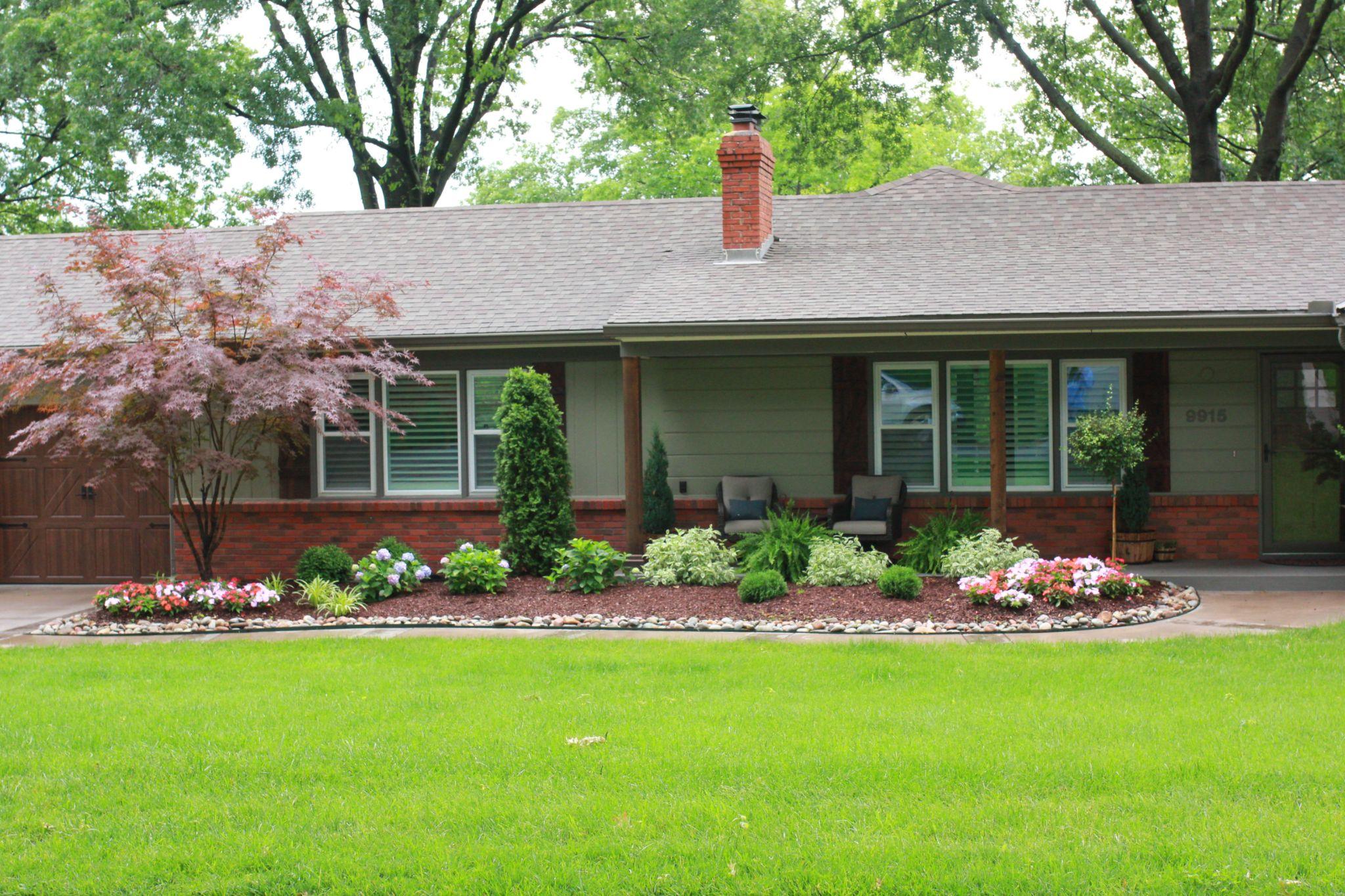
Watering is one of the most important parts of landscape maintenance, but many homeowners struggle to get it right. Most prefer a predictable routine, but the “right amount of water” is a moving target that depends on several factors:
- Growing Phase: Plants in active growth phase require more hydration than dormant ones.
- Weather: High temperatures increase evaporation, while rainfall may allow you to skip cycles.
- Sun Exposure & Layout: Sunny spots dry out faster than shady zones, and your property’s layout may cause certain areas to retain or lose moisture differently.
- Plant Species: Each species has unique hydration requirements.
When is the best time of day to water?
During summer, when temperatures are high and rainfall is scarce, it is generally recommended to water early in the morning. This allows water to run deep into the soil without being lost to sun evaporation. While morning watering lets excess moisture on the surface evaporate during the day to reduce pooling, watering in the evening can leave standing water on foliage overnight, which often invites fungal diseases.
How much water do landscape beds need?
A general guideline for landscape beds is to water deeply and infrequently—ideally once the soil has dried out from the previous watering. Watering deeply encourages root systems to grow further into the ground, whereas watering too often can cause roots to rot.
If the soil is visibly moist from recent rainfall, wait until it looks less sodden before watering again. However, don’t wait until the ground is bone dry or cracking, which indicates drought; the soil should still feel moist to the touch just below the surface.
How much water do lawns need?
Lawn requirements depend on the age and condition of the turf. Frequency is determined by whether you have a mature lawn, freshly installed sod, or new seed used to fix patches.
For newly installed sod
Our experts advise watering sod twice a day for 3 to 4 weeks after installation. Runtimes for each zone should generally follow these equipment guidelines:
- Spray heads: 5 to 10 minutes.
- Rotor heads: 10 to 20 minutes.
- MP Rotator heads: 15 to 25 minutes.
- Traditional hose and sprinkler: 20 minutes.
For seeded lawns
It is crucial to keep new seed consistently moist for at least 4 weeks while it establishes. We typically set irrigation timers for 3 to 5 minutes per zone, three times a day—usually at 9:00 am, 1:00 pm, and 4:00 pm. If you do not have an irrigation system, try to follow this same schedule as closely as possible.
Note: Avoid watering the day before or the day of any planned mowing. Keeping the lawn dry—whether you are mowing it yourself or a crew is arriving—ensures a clean cut, prevents messy grass clumping, and protects the turf from being damaged by heavy equipment on soft, wet ground.
Why smart irrigation helps prevent watering issues
Watering correctly year-round is a challenge for any homeowner. Modern, smart irrigation systems solve this problem by automatically adjusting to weather and soil conditions, watering only when truly needed. We will explore these systems and their maintenance in the next section.
Why irrigation systems improve lawns and landscaping (with proper maintenance)
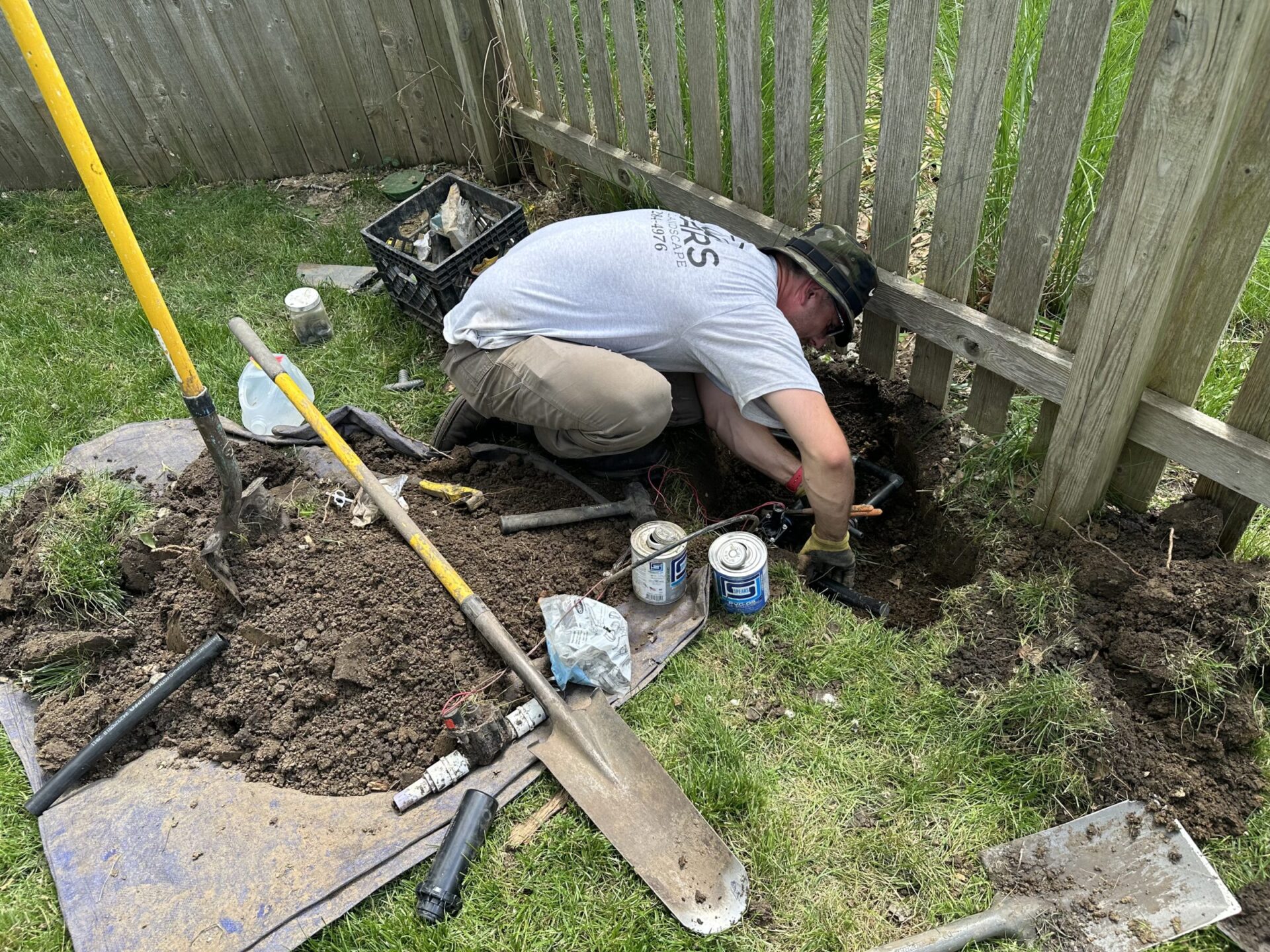
Traditional irrigation systems help homeowners maintain their properties by automatically delivering consistent water across outdoor areas. By using a series of pipes, valves, and sprinkler heads, these systems save significant time and effort while ensuring precision.
Modern irrigation systems go a step further by utilizing smart technology to deliver the exact amount of water required. Key features of modern systems include:
- Smart controllers: Automatically adjust schedules based on local weather data.
- App-based controls: Allow for remote management from anywhere.
- Flow sensors: Detect if pipes are damaged or constricted to prevent water waste.
- Soil sensors: Monitor moisture levels in real-time to trigger or skip cycles.
These features keep soil moisture consistent, preventing both over and underwatering while significantly reducing water bills. However, even the most advanced systems require professional monitoring, regular testing, and seasonal service to prevent damage and ensure efficiency.
Irrigation Maintenance Checklist for Homeowners
To get the most out of your system, follow this professional maintenance framework:
- Use Smart Technology: Controllers like those from Hydrawise connect to Wi-Fi to pull real-time weather data. They adjust for rainfall, temperature, and humidity, ensuring irrigation only occurs when the root zone begins to dry out.
- Audit for Microclimates & Topography: Different zones have distinct requirements. Shaded areas, steep slopes, and zones near retaining walls all require unique run times to prevent runoff or pooling. A “blanket approach” often leads to some areas being drowned while others experience drought.
- Monitor System Mechanics: Regularly check that heads are not clogged, valves are opening correctly, and no underground leaks have formed. Seasonal variations mean a schedule that worked last year may need adjustment this year.
Seasonal Irrigation Schedule
A reliable system must follow a strict seasonal calendar to protect the hardware and the landscape:
- Spring: Systems should only be activated once daytime temperatures stay consistently above freezing. Professional startups include a systematic flush and a check for any winter damage or leaks.
- Summer: This is the ideal time for a system audit. With less rainfall and full plant growth, it’s easier to see where coverage is lacking or where sprinkler heads need repositioning.
- Fall: Gradually reduce watering frequency as temperatures drop. This is the time to schedule your winterization blow-out—a process where compressed air clears all water from the lines to ensure you aren’t caught off guard by an early freeze.
- Winter: Systems must be professionally winterized before the first hard freeze. This prevents water from freezing and expanding inside your pipes, which can cause them to shatter and lead to expensive repairs. Interestingly, early winter is also the best time for new system installations.
At Mears Lawn & Landscape, our dedicated irrigation team provides:
- Irrigation system installation
- System auditing, monitoring, and adjustments
- Expert repairs and component replacement
Contact our team to discuss our irrigation services, including discounted rates for winter irrigation system installation.
Pro Tip: “Most irrigation systems are set to water early in the morning during the summer months, often before homeowners get out of bed. This means that issues can be missed—because they never check that the system is doing its job. Try to wake up occasionally when your system is running so you can physically check that each sprinkler head is running as expected!”
— Danielle Mears, Chief Inspiration Officer, Mears Lawn & Landscape
How and when to fertilize for Soil Quality and lawn health
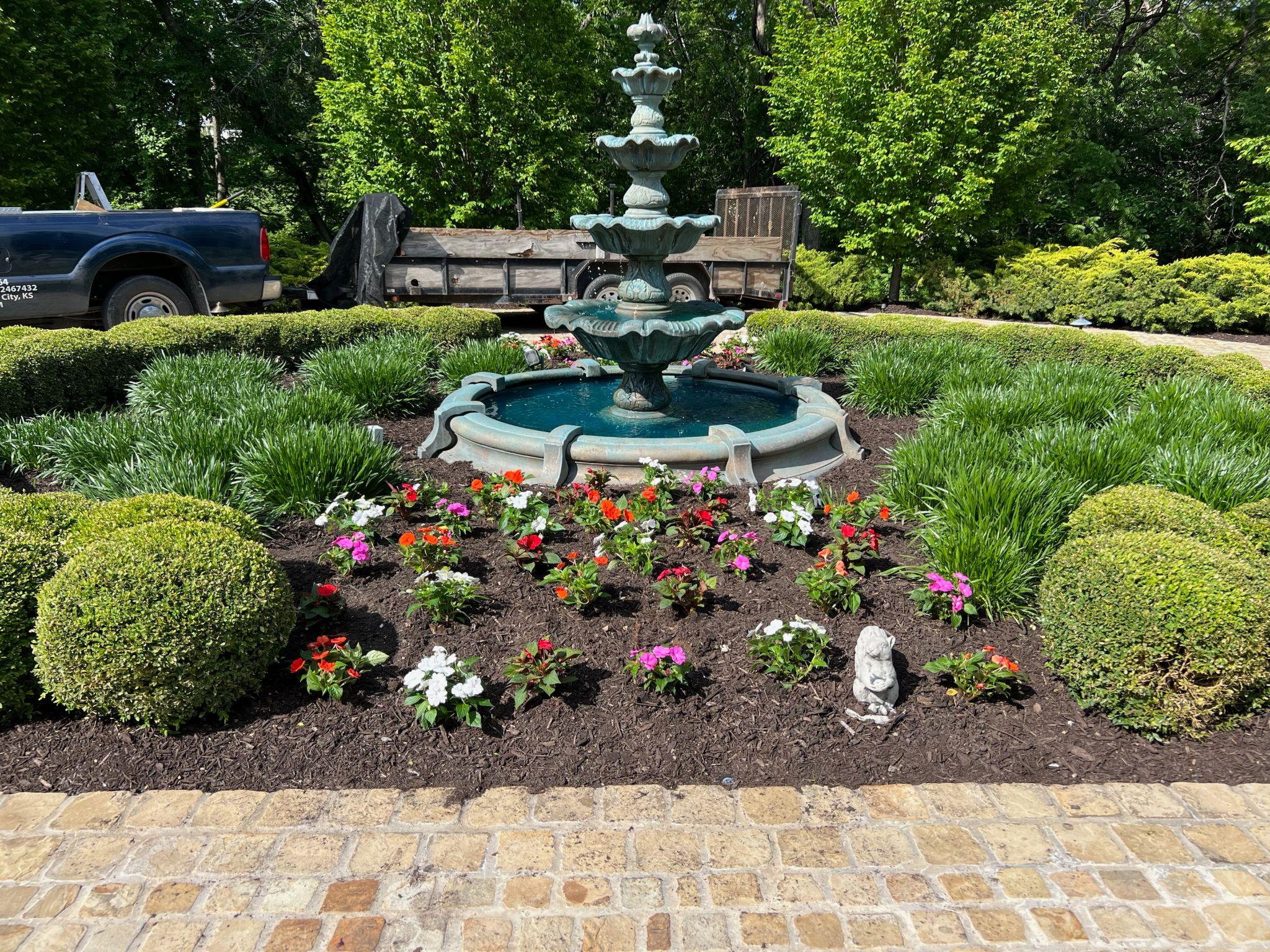
Healthy soil is the foundation of your entire landscape. In the Midwest—especially with the silty clay loam common in the Kansas City area—soil health is a unique challenge. This soil is naturally nutrient-dense, but its heavy clay content makes it prone to compaction and drainage issues if not managed correctly.
Understanding the relationship between soil health and landscape maintenance makes it much easier to keep your property looking its best.
When your soil is optimized, your landscape benefits from:
- Deep Root Systems: Allowing plants to survive harsh Kansas City summers.
- Natural Drainage: Preventing the “pooling” that leads to root rot and mosquito breeding.
- Consistent Growth: Eliminating the patchy, yellowing spots that hurt curb appeal.
Maintaining Landscape vs. Lawn Soil
While both require high-quality nutrients, they face different challenges:
- Landscape Beds thrive on organic nutrients and stability. Because they are not subject to the same equipment or foot traffic as your lawn, the soil remains naturally looser. This allows us to focus our efforts on using high-quality mulch to regulate moisture and providing the essential nutrients your perennials and shrubs need to flourish.
- Lawns are high-traffic zones, facing the constant pressure of foot traffic and heavy mowing equipment, which “squeezes” the clay soil until it’s too tight for water to penetrate. To keep the grass lush, we use regular aeration to reopen the soil structure, ensuring water and fertilizer can actually reach the root zone.
Ultimately, maintaining soil quality is a long game. Whether it’s choosing the right slow-release fertilizer or installing smart irrigation to maintain perfect moisture levels, a professional approach.
Fertilization Best Practices
Fertilization adds vital nutrients to the soil that support healthy plant growth. However, fertilizer needs to be added at the right time, with different zones requiring different approaches.
Lawn Fertilization
For Kansas City lawns, slow-release fertilizer is usually applied in spring and again in fall. This timing helps support healthier root development, leading to thicker, healthier turf overall. It is important to use slow-release fertilizer on lawns to prevent run-off during heavy rains.
Landscape-Bed Fertilization
Every landscape bed is unique; trees, shrubs, annuals, and perennials all have different needs. In many cases, healthy soil, proper mulch, correct watering, and good plant selection matter more than repeated blanket fertilizer use.
Our experts recommend applying fertilizer in the fall and again in the spring. This gives landscapes a good storage of nutrients over winter, ready for spring when they first enter their growth phase.
The role of Grading And Drainage In Landscape And Lawn Maintenance
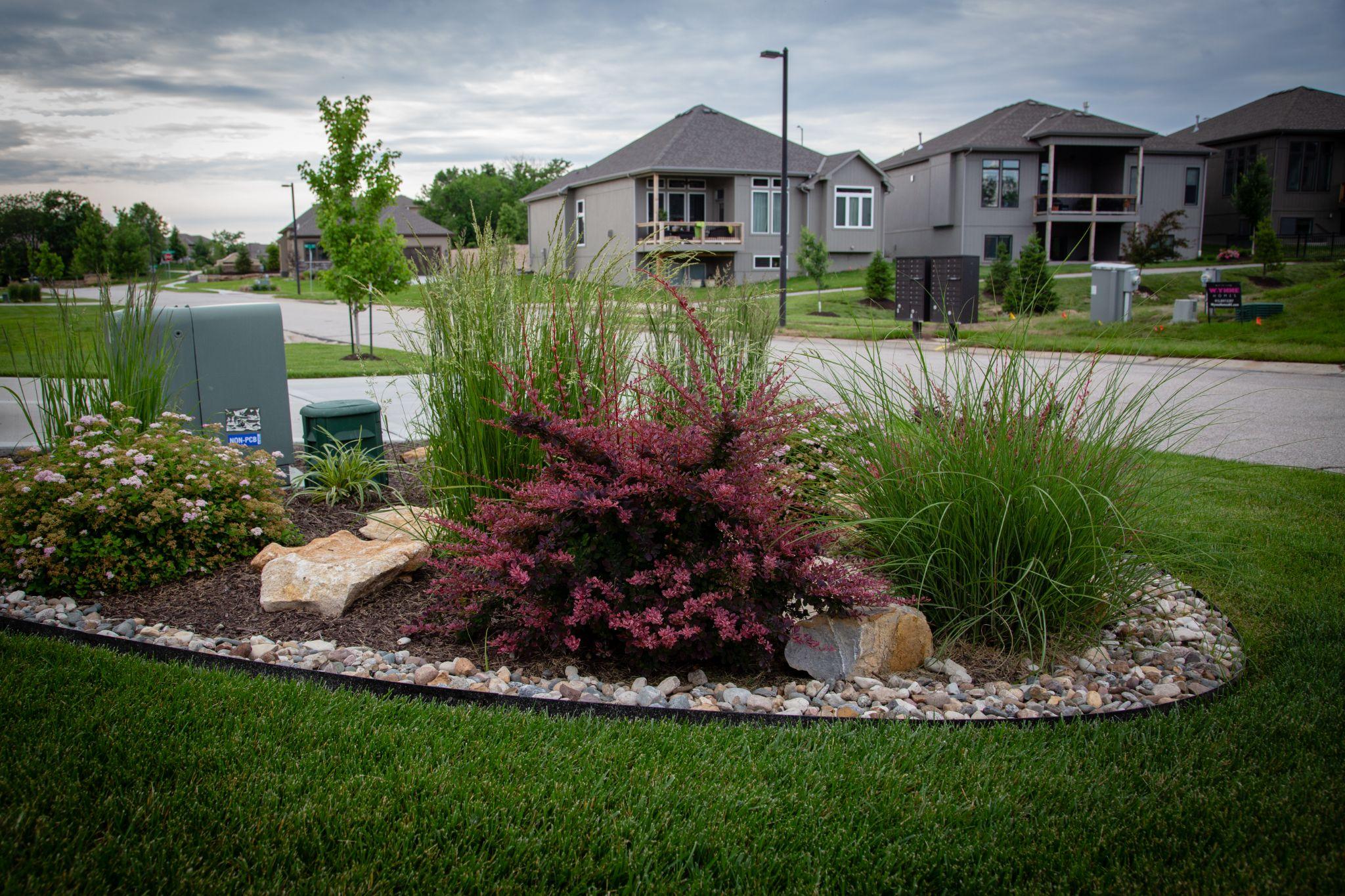
Reliable outdoor drainage protects your lawn, landscapes, and even your home. If your lawn experiences drainage issues, heavy rain and melting snow in the spring can cause water to pool, which can rot lawns and landscape beds and even lead to flooding and foundation damage.
Landscape drainage and grading maintenance is essential for:
- Eliminating standing water: This prevents plant roots from rotting and removes breeding grounds for mosquitoes.
- Preventing soil erosion: Proper grading stops heavy runoff from stripping away topsoil and mulch.
- Protecting the home: Effective drainage keeps water away from the foundation and out of the basement.
Drainage and grading often go hand in hand. Landscape designers will factor in the natural grading of your property, working with it, to help direct water away from your house responsibly, while local guidelines and industry standards require that grading follow certain rules to avoid property flooding. Irrigation and drainage experts can also install French drains, downspouts, and even re-grade problem areas of the property to reduce flooding risks on more flood-prone properties.
Consistent maintenance ensures your landscape is prepared to handle water effectively. You can improve drainage and maximize absorption by focusing on these key areas:
- Soil Structure: Improving soil quality by mixing in sandier blends helps water move through heavy clay more effectively.
- Compaction & Aeration: Reducing compaction through regular aeration creates natural channels for water to reach the root zone.
- Moisture Management: Preventing soil from becoming “bone dry” ensures it can actually absorb water; overly dry soil often causes water to run straight over the surface.
- Early Detection: Spotting signs of water pooling or irrigation malfunctions allows you to address the cause before it leads to property damage.
Working with a local landscape construction company can help improve drainage. The best landscape contractors can help you work with your property to overcome any grading issues. If your property has steep grading, you still have options to make the most of your outdoor space by introducing retaining walls or raised garden beds, creating a space that is both functional and visually appealing.
What are the benefits of working with lawn-care professionals?
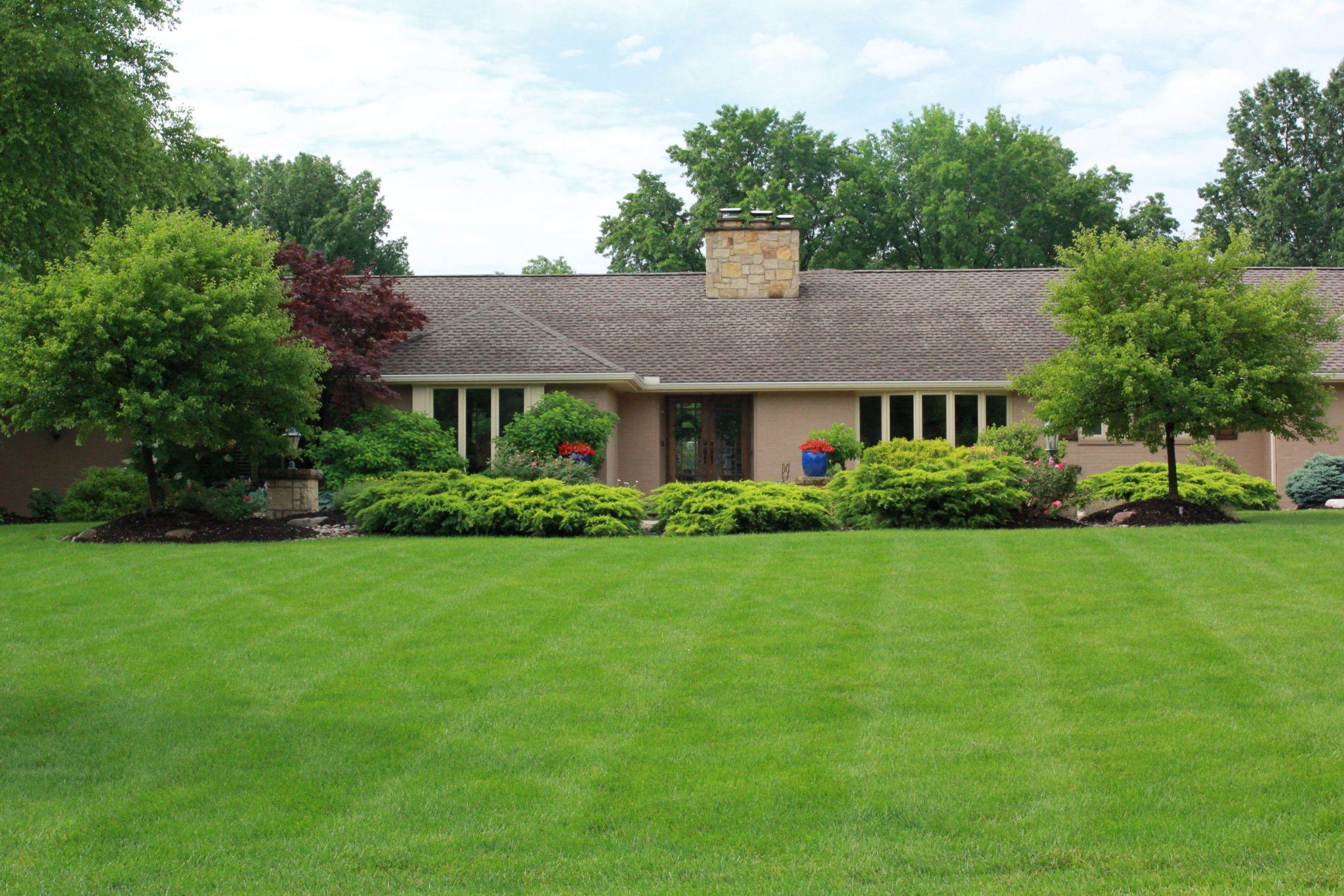
Lawn and landscape maintenance takes a lot of work. For many homeowners, even those with the greenest of thumbs, it’s a challenge to fit property maintenance tasks into their schedules. In many cases, hiring professional help represents a strong investment. Professional property managers give you time back, ensure your landscape maintains its curb appeal, and help protect your long-term investment.
Working with experts allows you to:
- View the property as a whole: Ensuring your landscaping complements the design and quality of your home.
- Leverage local expertise: Pros understand local soil types and climate variations, optimizing soil health without the trial-and-error homeowners often face.
- Access proactive maintenance: Professionals diagnose issues early, adjusting for weather extremes like heatwaves or heavy rain before they become expensive problems.
- Deploy smart irrigation: Expert teams can install and remotely monitor Wi-Fi-connected irrigation systems to ensure efficiency.
- Design for beauty and resilience: Create stunning plant combinations using species that are both visually striking and guaranteed to thrive in the Kansas City climate.
- Consolidate your care: Instead of managing multiple contractors, a full-service team understands your property’s history and long-term goals.
Ultimately, professional oversight provides the continuity needed to protect your landscape as it matures. By working with a team that understands your property’s history and maintenance patterns, you gain the consistency and peace of mind that comes from knowing your outdoor space is in expert hands year after year.
When Should Homeowners Switch to Working with Pros?
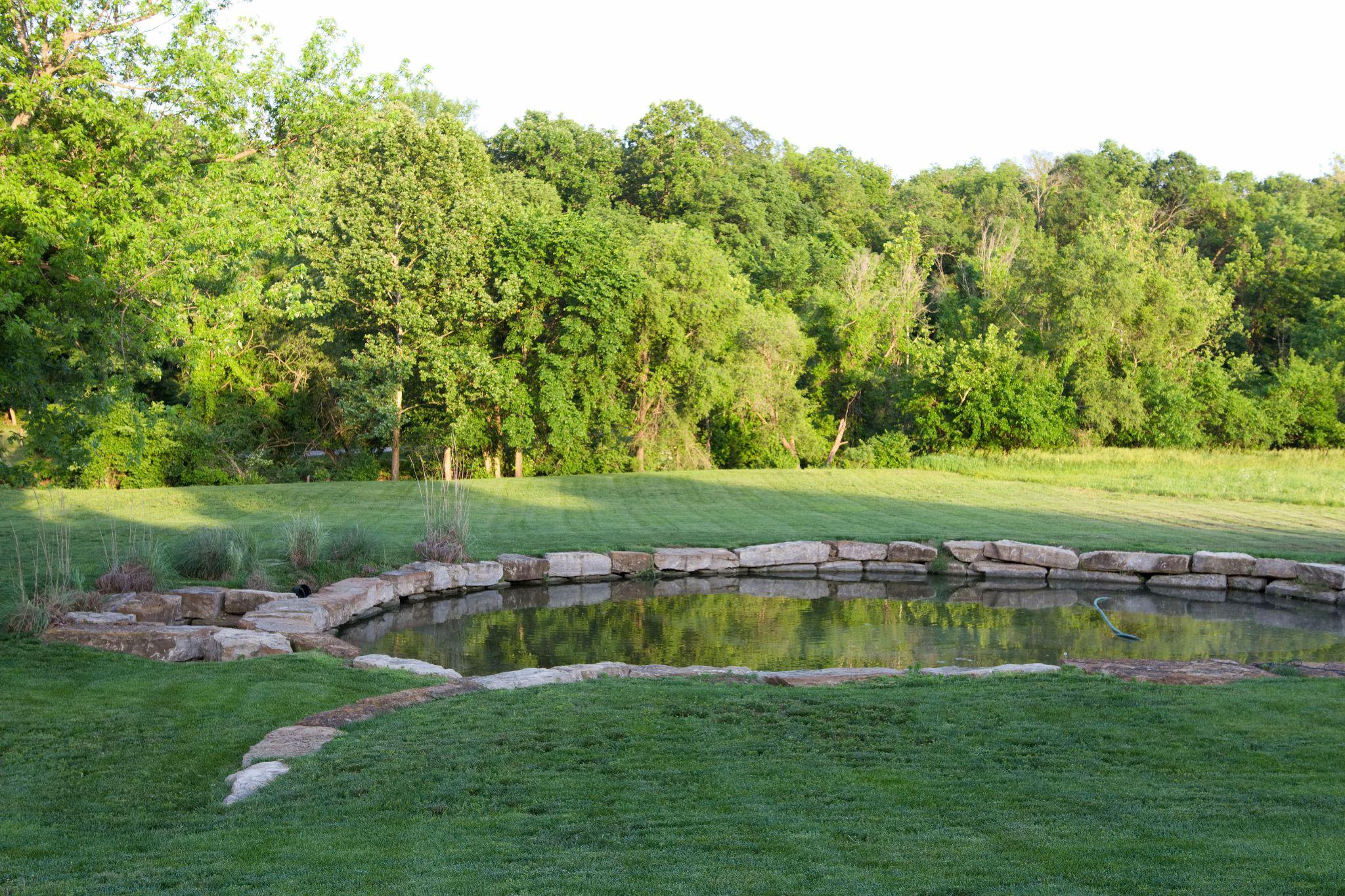
Over time, many homeowners realize that their current approach no longer serves them. Outdoor spaces can decline for reasons that are not always obvious. Perhaps lifestyle and family needs change, or homeowners find they no longer have the time or energy to put the necessary hours into their landscapes.
Common signs it’s time to call in the pros:
- Maintenance is Taking Too Much Time: If routine chores consume your entire weekend, hiring a team allows you to focus on enjoying your property rather than just working on it.
- You Are Unhappy With Results: If your lawn remains patchy or your beds are failing despite your best efforts, your timing or products may be wrong for the local climate.
- Persistent Brown Spots: These are often signs of underlying stress, such as irrigation blind spots or pests, which require a professional evaluation.
- Major Pest Problems: Recurring infestations suggest your current approach isn’t working; pros can identify the root cause and apply preventative measures.
- Plants that Fail to Thrive: Struggling shrubs or perennials may indicate poor plant selection or root-zone issues that a professional can correct.
- Persistent Drainage Issues: Soggy lawns and pooling water can lead to foundation damage. Pros integrate soil health with proper grading and drainage solutions like French drains.
- You are buying or Selling a Property: Whether you are rescuing a neglected yard or maximizing curb appeal for a potential buyer, professional care makes a vital first impression.
Recognizing these signs early can save you from the frustration of a declining landscape and the high cost of total restoration. Making the switch allows you to stop managing symptoms and start enjoying a property that thrives under consistent, expert care.
Why Mears Lawn & Landscape is a trusted local property maintenance company
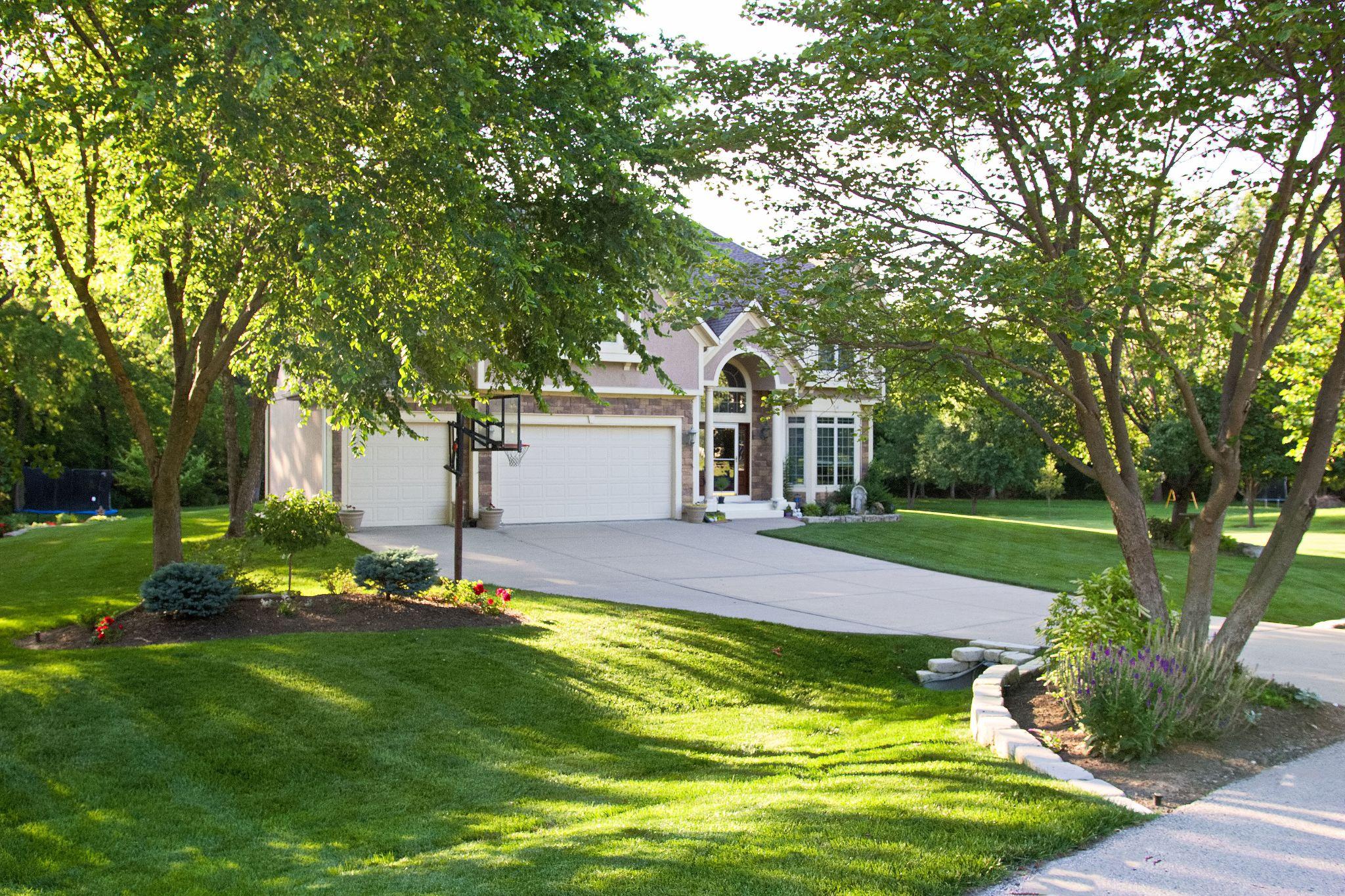
Selecting a landscape company is about more than services; it is about trust, accountability, and long-term relationships. Mears Lawn & Landscape is a family-owned, full-service company built on treating every home as if it were our own. Every recommendation we make is grounded in honest guidance, careful listening, and practical solutions that support long-term property health rather than short-term fixes.
Mears Lawn & Landscape manages mowing, fertilization and pest control, landscape construction, and irrigation under one roof. This provides you with a single point of contact for all your outdoor needs. Our dedicated team oversees your entire residential landscape maintenance plan, ensuring each service supports the next—from spring irrigation startups to fall cleanups and drainage monitoring.
Our team is professionally certified, formally educated, and experts in Kansas City’s unique soil and climate. We understand how every part of your property connects, from soil structure to irrigation design and plant choice. By viewing the property as a whole system, we make proactive adjustments before small issues become larger concerns.
We are committed to elevating industry expectations through consistent service, realistic conversations, and dependable follow-through. Clear communication is our priority, with prompt responses so you always know what to expect. For homeowners who value reliability and a holistic approach, Mears Lawn & Landscape provides the comprehensive care your property needs to thrive year after year.
Request a quote today and experience the consistent, professional care that protects both your home and your outdoor space.
Summary
Effective residential lawn and landscape maintenance is a year-round commitment that extends far beyond mowing. When you overlook the deeper needs of your soil, irrigation, and drainage it can lead to expensive restorations and lost curb appeal. This comprehensive property care plan provides the structure needed to protect your investment and support long-term plant health. By following these seasonal checklists and technical guides—tailored to Kansas City’s unique climate—you can navigate every seasonal shift with confidence and ensure total outdoor enjoyment.
Tags: