

Residential Landscape Maintenance: Common Questions Answered For Homeowners
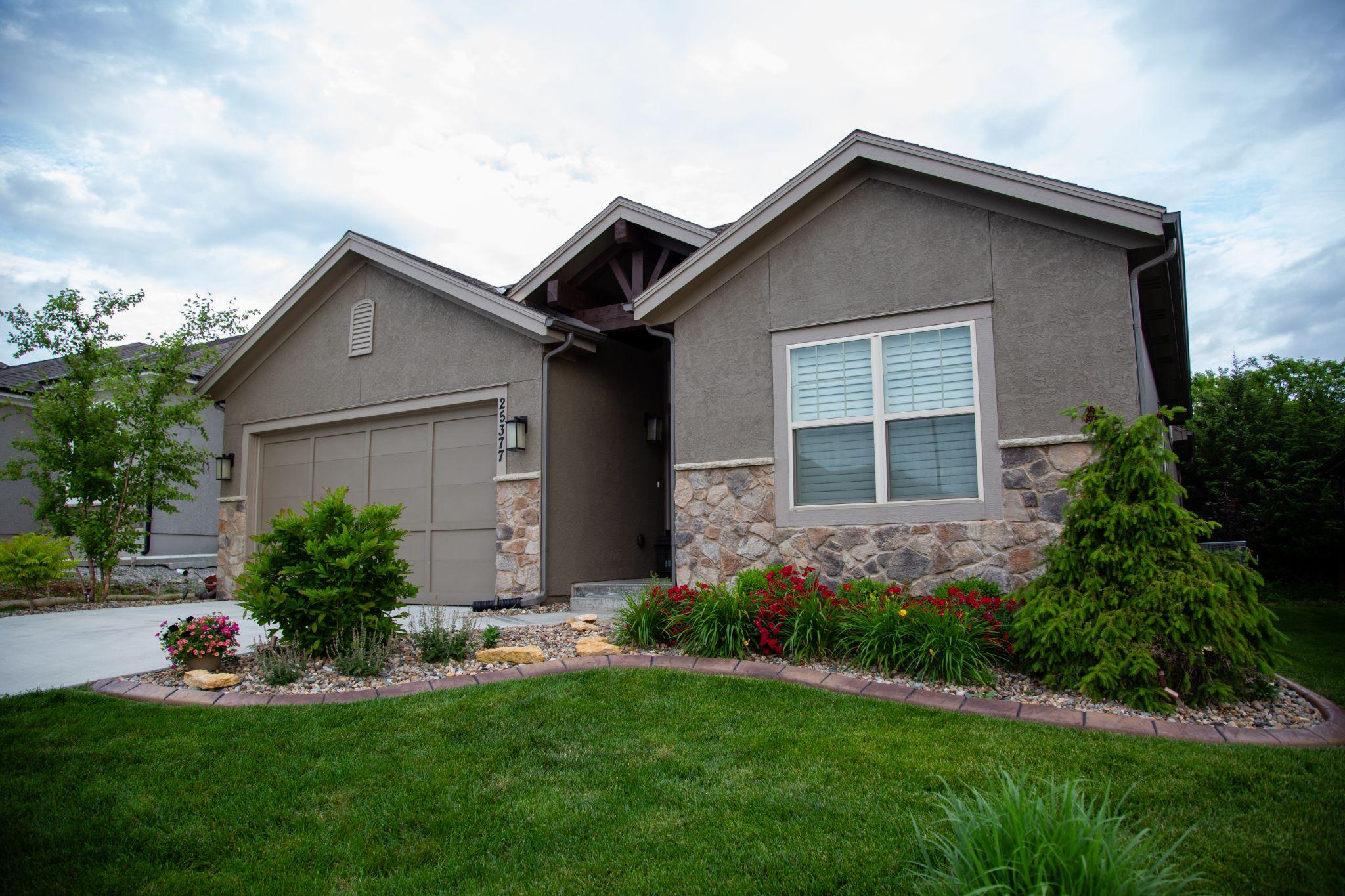
Do you have questions about your lawn and landscape to which you struggle to find clear answers? Perhaps you have a damp area that refuses to dry, grass that thins every summer, or shrubs that grow unevenly no matter how often you trim them. These frustrations are common, but left unaddressed, they can lead to declining curb appeal and expensive property repairs.
Finding the right answers to your residential landscape maintenance questions is the first step toward a healthier property. To help you move past the guesswork, we have compiled clear answers to the most frequent concerns homeowners face, including what maintenance typically costs.
This guide walks you through the essentials of property care to help you towards a resilient, beautiful landscape. If you’re looking for a partner to handle the heavy lifting, Mears Lawn & Landscape is here to help. Read on to find the clarity you need!
1. What Is Residential Landscape Maintenance?
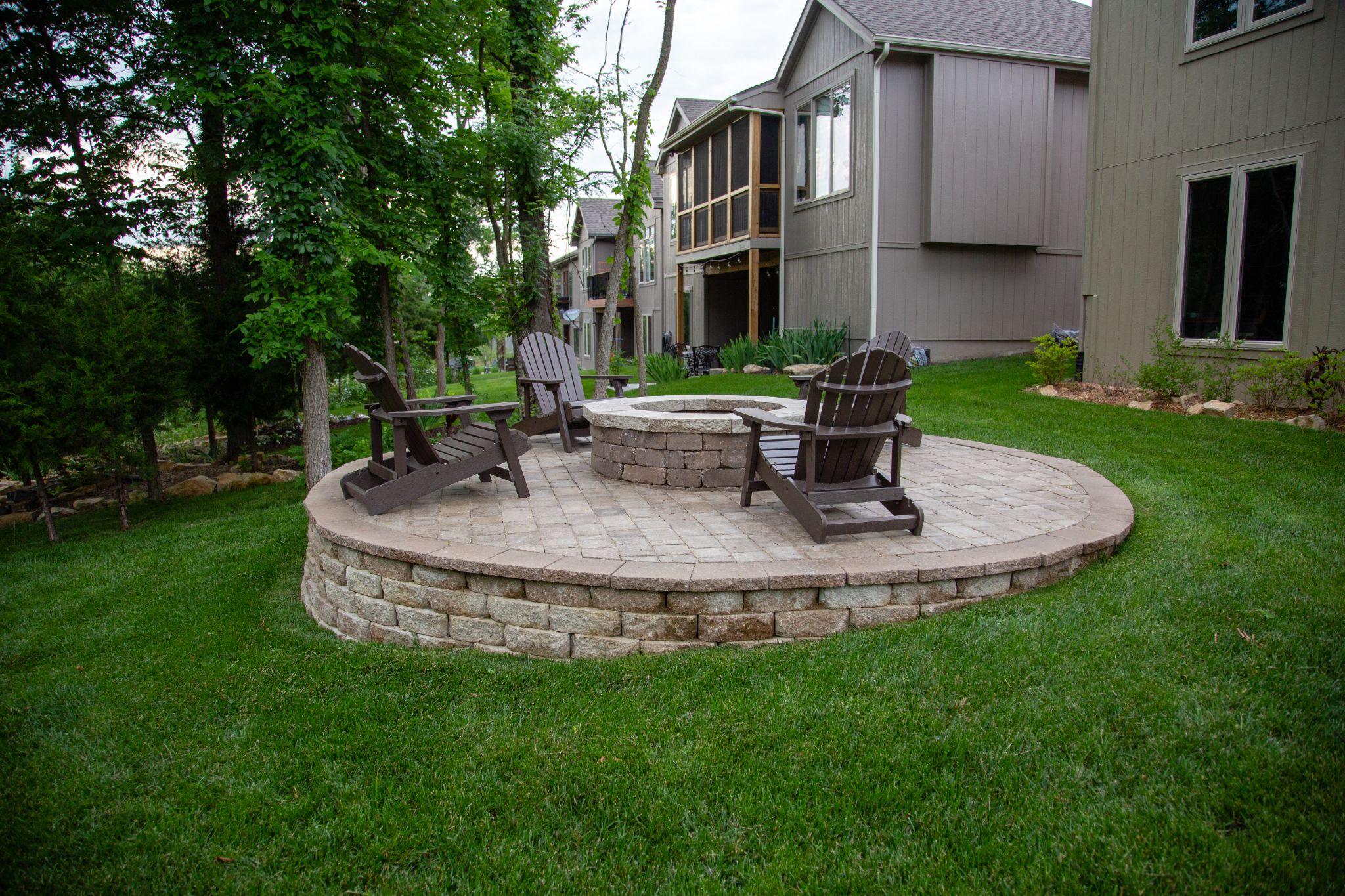
When homeowners raise residential landscape maintenance questions, the conversation often starts with mowing. However, a more comprehensive approach goes far beyond a clean cut. Lawn and landscape care should be a coordinated system that balances the needs of your turf, shrubs, irrigation, and drainage.
When everything is managed together, you can prevent common “mystery” problems, such as thinning grass or uneven growth, that happen when systems are dealt with separately.
Read more in our complete property care guide on residential lawn and landscape maintenance.
2. Is Professional Landscape Maintenance Worth It?
This is a central question for homeowners weighing the cost of property care against the long-term results.
When you hire a professional team, your turf, soil, irrigation, and drainage are evaluated together as a single, living system. With Mears Lawn & Landscape, this coordinated approach is provided by our formally educated and certified experts who understand the complex ways that plant biology, water movement, and soil structure interact.
Managing these interconnected systems under one plan allows experts to spot underlying issues before they escalate into expensive repairs. Ultimately, this ensures you receive honest conversations about what your yard truly needs.
When you consider the long-term stability of your landscape, the value of consistent care becomes clear. It is an investment that protects your property year after year, maintaining or even improving curb appeal.
Plus, there are benefits that go beyond the financial return on investment. Instead of struggling to maintain a lawn for years, you can spend more time enjoying it with your family while experts do the hard work.
3. How Do You Find A Quality Landscaping Company?
Choosing the right partner to care for your property is important, especially when you want more than just basic service. Rather than searching simply for a mowing crew, look for certified professionals who demonstrate a deep understanding of how to manage every system on your property.
Reliability often shows up in the details; for instance, quick, professional communication is a strong indicator of a company’s responsiveness. That responsiveness will be important over time, especially if any emergencies crop up. You may also find that a local, family-owned company provides a more personal touch, valuing long-term relationships and straightforward discussions over quick fixes.
Ultimately, you want a team that treats your property the way they would treat their own. Offering clear guidance and realistic planning that feels like a partnership rather than a transaction.
Look for strong Google reviews, a professional website, and clear information online about what their services include. If a company doesn’t even have a website, it’s hard to know how professional they are.
4. What Is Included In Landscape Maintenance?
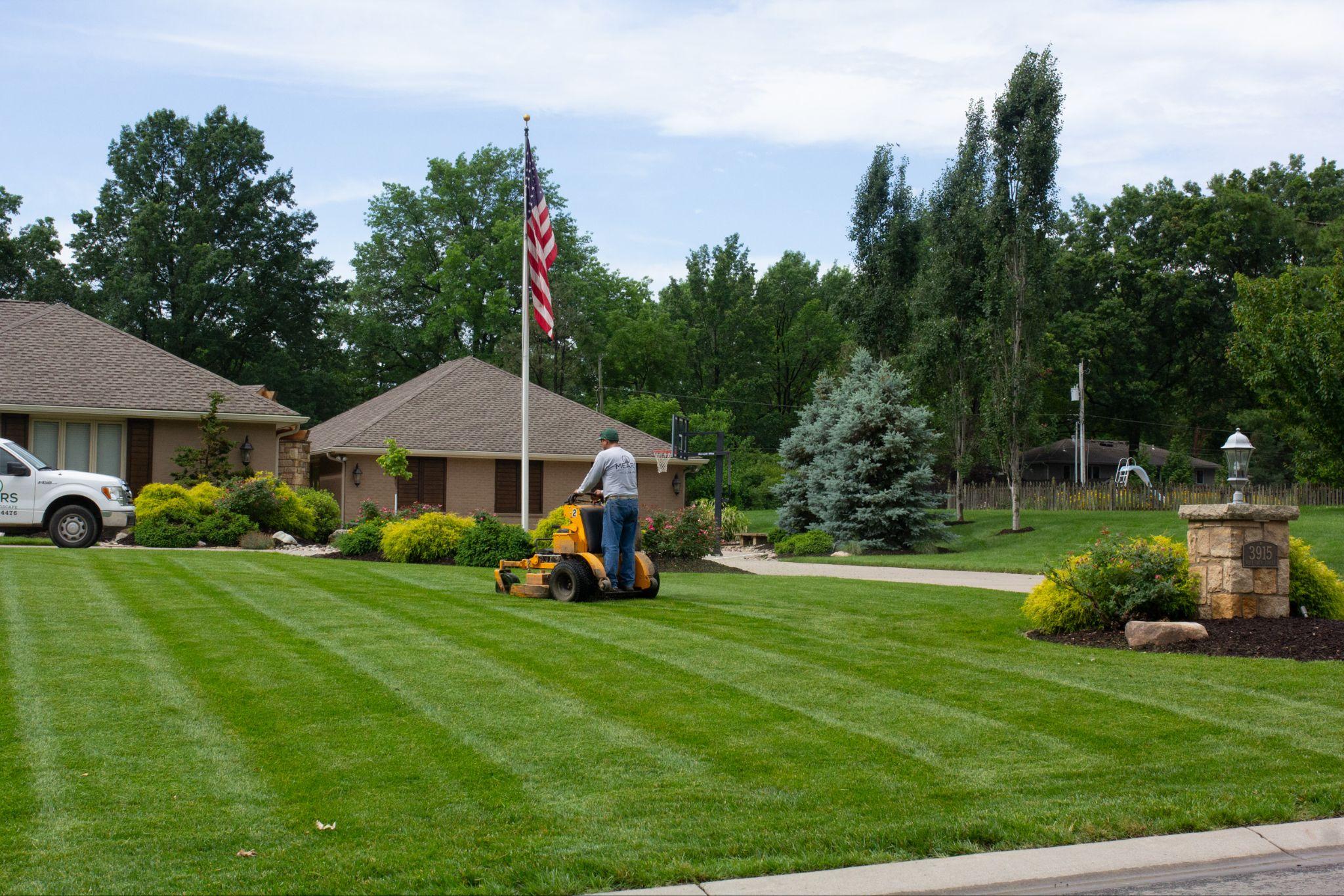
A common topic within residential landscape maintenance questions is scope: what the services actually include. Many homeowners want to understand the difference between one-time projects, weekly mowing, and ongoing services.
Ongoing services typically combine visible tasks with technical oversight, including lawn mowing and edging, shrub trimming, fertilization, and irrigation. While this work goes on, the experts overseeing the work will constantly monitor your property to make sure their work is producing results for you. This is why professional landscaping companies make such a difference to your property: they track changes over time, helping your property mature properly, whatever the seasons throw at it.
That’s the aim of our team at Mears: to be long-term stewards of your property, protecting it like we do our own. Explore our full-service landscape maintenance solutions to learn more about our approach.
5. How Much Does Landscape Maintenance Cost?
Cost is one of the most common residential landscape maintenance questions homeowners ask, and the honest answer is: it depends on your property’s size, condition, and the level of service you choose. That said, general industry ranges can help you budget and know what to expect.
Routine lawn care and landscape maintenance programs (mowing, edging, trimming, and seasonal upkeep) typically run somewhere between $150 and $400 per month for an average residential property, with larger or more complex properties trending higher. A comprehensive turf care program of fertilizer and weed control applications usually adds a few hundred dollars more per year on top of routine service.
Aeration and overseeding, one of the best investments for a thinning or compacted lawn, generally falls in the $300 to $600 range per treatment for most residential lawns, depending on square footage. Irrigation-related services vary too: a seasonal system startup or winterization visit often costs somewhere in the $75 to $200 range per visit, while a full irrigation audit or repair can run higher depending on what’s found.
The best way to get an accurate number for your property is a walkthrough and a tailored quote—every yard has different needs, and we’d rather give you a realistic range up front than a one-size-fits-all price that doesn’t hold up once we see your property. Contact us for a personalized quote.
6. How Often Should Landscape Maintenance Be Done?
Determining the right frequency for property care is essential for maintaining both health and aesthetics. While many homeowners initially look for a “one-size-fits-all” answer, the ideal schedule often shifts based on the season and the specific needs of your property.
A balanced maintenance schedule typically includes:
- Mowing: Weekly or biweekly attention during peak growth seasons to ensure the lawn stays thick, resilient, and weed-free.
- Turf Care: Seven strategically timed applications throughout the year that combine fertilizer and weed control to support healthy growth, seasonal nutrient needs, and year-round weed prevention.
- Shrub Pruning: Seasonal trimming to maintain structure, promote healthy new growth, and prevent overgrowth from crowding other plants.
- Irrigation Adjustments: Regular audits throughout the year to ensure hydration levels align with changing weather patterns and seasonal needs.
Ultimately, your specific schedule depends on turf conditions, plant maturity, and property layout. Steady oversight prevents minor concerns from becoming larger problems, proving that for a successful landscape, consistency matters much more than occasional intensive work.
For homeowners who want maintenance routines handled without having to track it all themselves, our 7-Step Fertilizing & Weed Control Program covers most maintenance tasks through the entire year.
7. How does soil quality affect landscaping and Plant Health?
Healthy soil plays an important role in the long-term success of both your lawn and landscape. While many issues are caused by factors such as improper watering, environmental stress, pests, or disease, soil conditions can also impact how well turf, trees, shrubs, and plants establish and grow.
Soil health is the foundation of everything above ground, yet it is often the most overlooked aspect of property care. As such, it is important that homeowners understand how their soil quality may be affecting their landscaping in the both the short and long term. The answer lies in how the ground functions as a support system for your plants.
When evaluating concerns in a landscape, we typically look at several key factors:
- Drainage and Soil Conditions: Poor drainage or compacted soil can limit root growth and cause lawns and plants to struggle. Areas that remain too wet or dry often require improvements such as drainage solutions, grading corrections, or irrigation modifications.
- Irrigation Practices: One of the most common causes of lawn and plant decline is improper watering. Too much or too little water can stress turf and landscape plants, weaken root systems, and increase susceptibility to disease. Regular irrigation inspections and seasonal adjustments help ensure your landscape receives the right amount of water throughout the year.
- Plant and Turf Selection: Choosing the right grass varieties and landscape plants for your property’s sunlight, soil, and moisture conditions is critical. Installing the right plant in the right place helps reduce maintenance needs and promotes long-term success.
- Lawn Renovations and Aeration: Over time, soils naturally become compacted, restricting the flow of air, water, and nutrients to the root zone. We recommend aerating lawns at least once per year to relieve compaction, encourage deeper root growth, and improve overall turf health. For lawns that are thin or struggling, lawn renovation services such as aeration and overseeding can help restore density and improve long-term performance.
When lawns or landscape plants begin to decline, the solution is not always found in the soil itself. A comprehensive evaluation that considers drainage, irrigation, plant selection, pests, overall site conditions, and turf management practices often provides the clearest path toward a healthy, thriving outdoor space.
8. What Signs Point To Soil Compaction Problems?
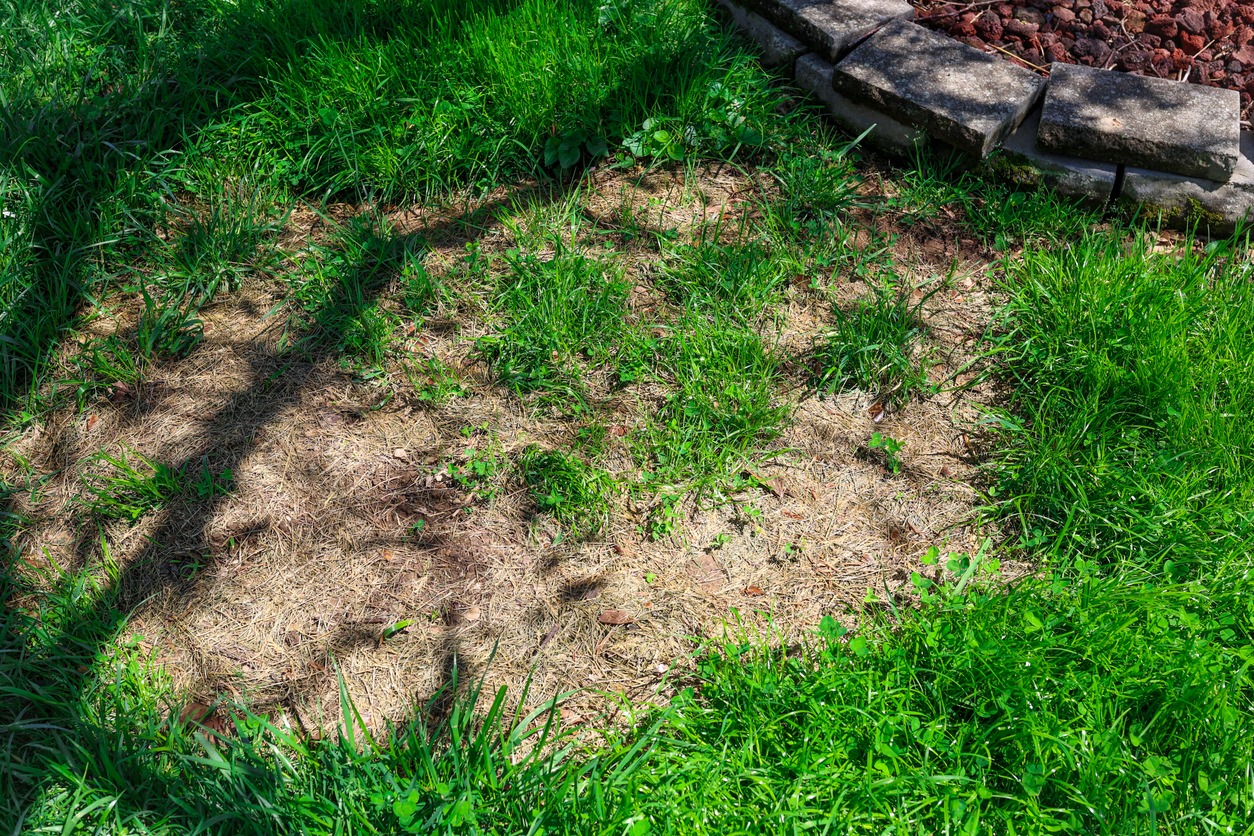
Compacted ground acts as a hidden barrier that physically restricts root development. When the area beneath your lawn becomes too dense, it loses the space required for water and oxygen to reach the roots, effectively starving the turf from the bottom up.
Common signs of soil compaction include:
- Excessive runoff during light rain.
- Thinning turf that fails to thrive despite regular fertilizing.
- Physical resistance when inserting tools or stakes into the ground.
- Water pooling on the surface rather than soaking in.
If your lawn fails to respond to routine watering and fertilizer applications, compaction may be limiting the movement of air, water, and nutrients to the root zone. Our top recommendation is aeration at least once per year to relieve compaction and encourage deeper, healthier root growth. For lawns that are thin or struggling, aeration combined with overseeding is typically the most effective way to restore density and improve overall turf performance—and it’s one of the best returns on investment available for a struggling lawn.
Explore our Fall Lawn Renovation services to learn more.
9. How Does Irrigation Maintenance Prevent Plant Stress?
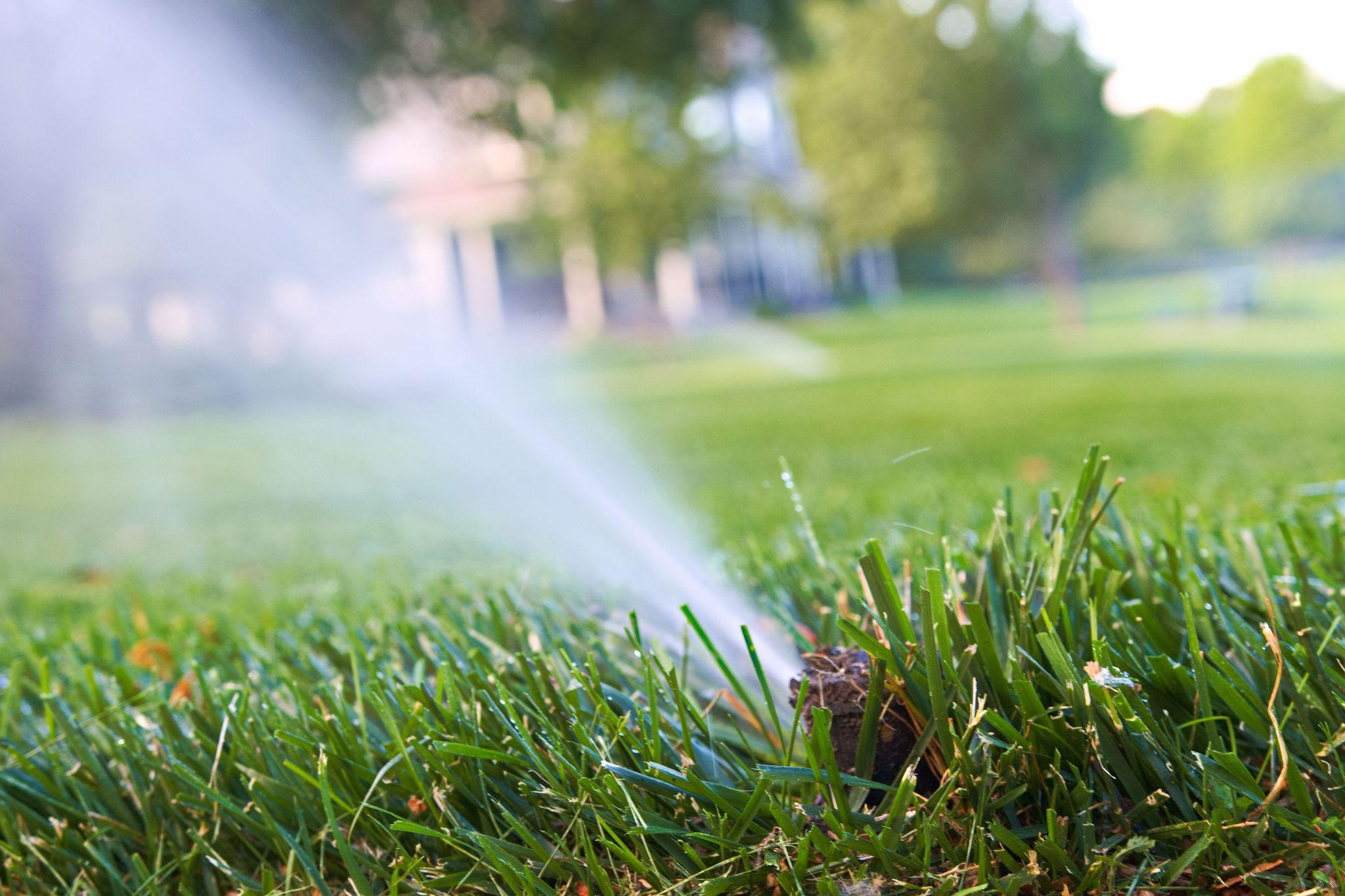
Effective water management is about more than just a green lawn; it is a precision tool for property health. So, how does irrigation affect landscape health? It all comes down to how water moves through the root zone. Consistent underwatering leads to shallow roots and dry patches, while overwatering can drown plants and invite fungal disease.
A well-maintained irrigation system ensures that water reaches the areas that need it most through routine sprinkler inspections, irrigation audits, and controller adjustments. For homeowners who want this handled proactively, our Hydrawise Premier program includes monthly visits to check your system’s health, evaluate irrigation performance, and make seasonal adjustments before small issues become bigger repairs. Addressing these elements together ensures your landscape receives the exact amount of moisture required to thrive without unnecessary waste.
If you would like professional irrigation oversight integrated into your maintenance plan, explore our irrigation system maintenance services.
10. Can Overwatering Cause Long-Term Issues?
Yes, overwatering is one of the most common and overlooked threats to a healthy yard. While it might seem like you’re helping your plants, too much moisture can weaken root systems and significantly reduce plant resilience over time.
When roots stay wet for too long, they can’t take in the oxygen they need to breathe. This lack of “breathable” ground, combined with high moisture levels, increases disease pressure and creates the perfect environment for root rot and fungal outbreaks. Balanced watering schedules are a vital part of steady landscape care, ensuring your plants stay hydrated without being overwhelmed.
11. How Do Seasonal Changes Impact Irrigation?
A landscape’s water requirements change constantly throughout the year. Seasonal transitions require frequent irrigation adjustments because the demands of rapid spring growth are vastly different from those of mid-summer heat or winter dormancy.
Ignoring these seasonal shifts is a common mistake that can quickly stress your turf and shrubs. For example, leaving your sprinklers on a summer schedule during a rainy autumn can lead to overwatering issues like root rot and fungal outbreaks. Irrigation programming should always reflect current weather conditions to ensure your plants receive the right amount of water for their specific growth phase, which is exactly why programs like Hydrawise Premier build seasonal check-ins into the schedule automatically. Explore our irrigation service packages to learn more.
12. How Does Poor Drainage Affect A Property?
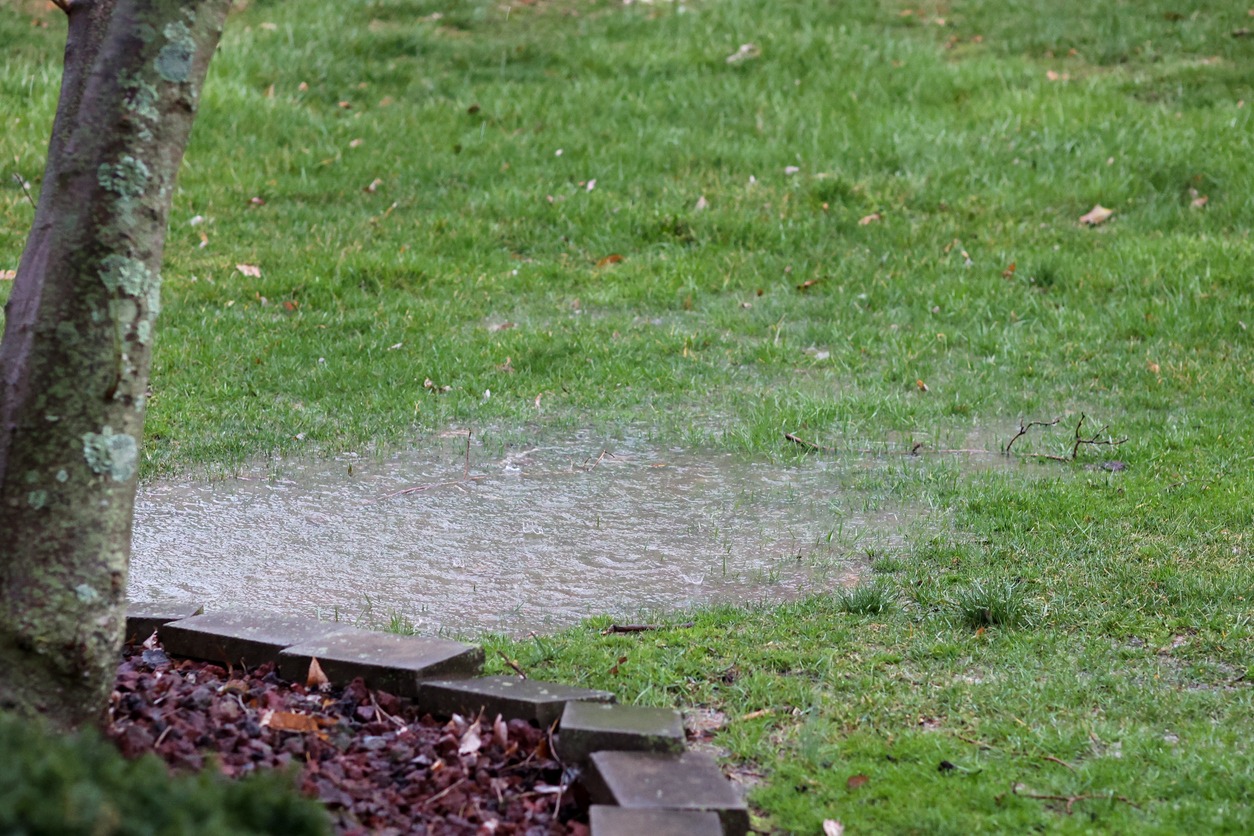
Drainage issues often become apparent when water lingers long after a storm, but standing water is only one sign of a larger problem. Poor drainage can lead to struggling turf, declining landscape plants, erosion, foundation concerns, and areas of the yard that remain unusable after rainfall. Addressing drainage issues early helps protect both your lawn and landscape while preventing more costly problems down the road.
Pooling water, soil erosion, and dampness near your foundation are the primary early warning signs that something is wrong.
Many homeowners only begin asking about maintenance after visible damage has occurred. However, a preventive evaluation allows you to catch these failures early, protecting your property’s structural integrity before the damage becomes critical. This is why landscape grading is important; it acts as the first line of defence in managing water flow and preserving your landscape’s foundation.
13. What Role Does Grading Play In Landscape Performance?
Grading is the invisible architecture of your yard, determining exactly how water moves across your property. Most homeowners only realize their property’s pitch has changed when they notice water pooling near the house or flowing toward the foundation rather than away from it.
Proper grading ensures that runoff is directed away from your foundation and sensitive planting beds. Over time, factors like settling or erosion can create “bowls” where water collects, which is why routine grading reviews are worth keeping on your radar. Maintaining the correct pitch supports a healthy, long-lasting landscape.
14. How Can Maintenance Reduce Erosion Over Time?
Erosion is a gradual process, but the resulting bare areas, washed-out mulch, exposed roots, and soil loss eventually become impossible to ignore. Regular landscape maintenance plays an important role in preventing erosion by keeping your lawn and landscape healthy, stable, and better able to handle heavy rainfall.
A thick, healthy lawn is one of the best defenses against erosion. Routine mowing, a comprehensive turf care program, and annual aeration help promote dense turf and strong root systems that hold soil in place. In landscape beds, maintaining proper mulch depths helps protect exposed soil from heavy rain while also reducing runoff.
Regular inspections also allow drainage concerns to be identified before they become larger problems. Areas where water consistently ponds, washes out mulch, or creates channels in the lawn may benefit from drainage improvements, grading corrections, or other solutions designed to move water away from the landscape more effectively.
By combining healthy turf, proper mulch maintenance, and proactive drainage management, homeowners can significantly reduce erosion while protecting both their landscape investment and the long-term health of their property.
15. How Does Maintenance Protect Long Term Curb Appeal?
Great curb appeal landscaping isn’t a one-time achievement; it depends on consistent care. While a fresh layer of mulch looks good today, long-term visual appeal is preserved through the behind-the-scenes health of the property—thriving turf, balanced irrigation, and properly maintained plants.
Coordinated oversight prevents the “gradual decline” that often goes unnoticed until it becomes a major eyesore. Many residential landscape maintenance questions begin with a simple concern about appearance, but the solution almost always leads back to system management. By maintaining root system health and the stability of grading, you ensure that the visible parts of your landscape—your grass, trees, and shrubs—remain vibrant year after year.
16. When Should Homeowners Review Their Maintenance Approach?
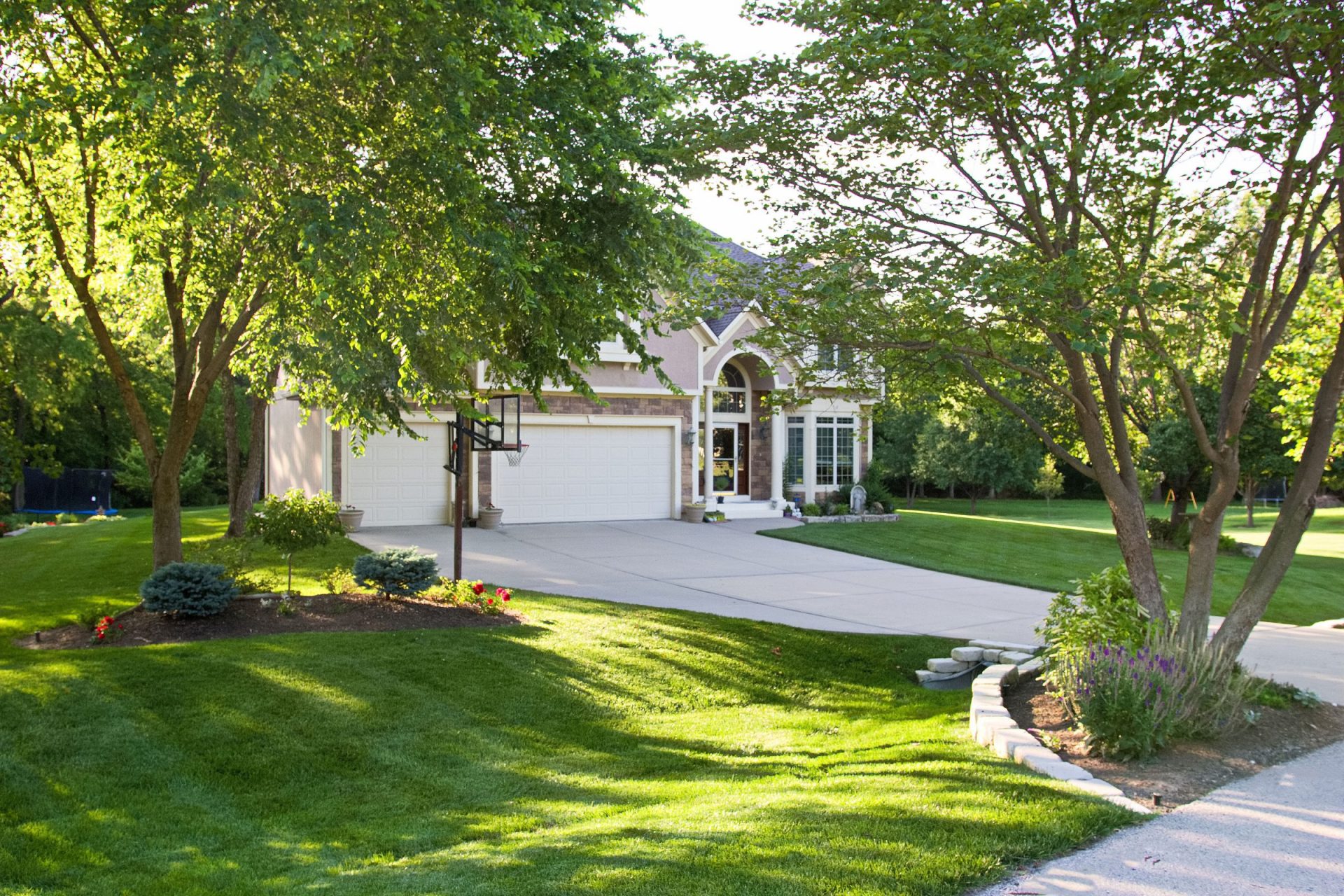
You should review your maintenance plan annually, or whenever recurring concerns begin to appear. Issues like repeated turf thinning, pooling water, erosion, or declining plants are often signs that your current routine is no longer meeting the property’s needs. Regular evaluations help ensure your lawn and landscape continue to receive the services and attention necessary to remain healthy and perform at their best.
This is exactly what programs like our monthly landscaping maintenance visits and irrigation checks are designed to do: give your property a consistent, professional check-in so small changes are caught before they become expensive problems. As a landscape matures, its requirements change. What worked for a new installation may not be enough for a property with deep root systems and established growth. Regular evaluation ensures your care plan stays synchronized with these changes and seasonal transitions. Taking the time to address your residential landscape maintenance questions today protects your investment for years to come.
At Mears Lawn & Landscape, we know that maintaining a beautiful property is a long-term investment, and we are here to help you protect it. If you’re ready for a coordinated approach that focuses on the health of your entire property, contact us today for a tailored quote and professional oversight you can trust.
Summary
Maintaining a beautiful property goes beyond routine upkeep; it requires addressing key residential landscape maintenance questions regarding cost, turf care, irrigation, and drainage. This guide explains how a coordinated approach, including aeration, irrigation maintenance, and dependable programs like monthly maintenance and Hydrawise Premier, protects your property’s curb appeal and health for years to come.
Tags: