

How to Create a Year-Round Landscape Maintenance Plan
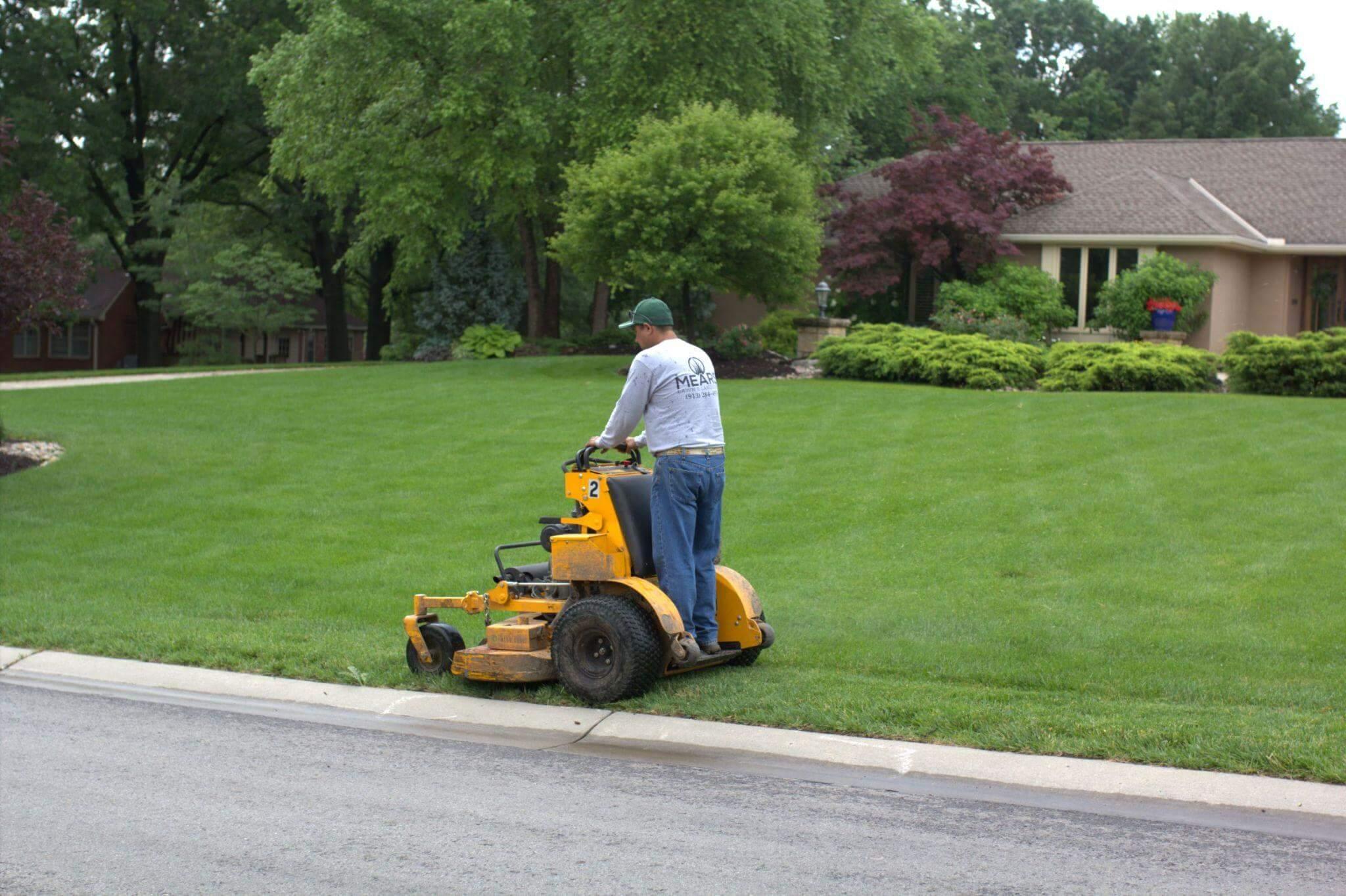
A healthy lawn and landscape does not happen by chance. Turf density, plant vitality, drainage performance, and irrigation efficiency all depend on consistent attention throughout the year. Yet, many properties are managed in a cycle of urgency: something dies, someone responds, and the fix addresses only the immediate symptom.
This reactive pattern leads to declining plant health, rising costs, and the frustration of constant emergency repairs. Whether you are caring for your own family home or managing a group of residential properties, this lack of strategy means your landscape never reaches its full potential – it simply survives from one crisis to the next.
A well-structured, year-round landscape maintenance plan shifts the focus from reactive fixes to preventive care. Instead of chasing problems, you follow a system designed to anticipate your property’s needs before they escalate. By staying ahead of seasonal transitions, you protect your investment and ensure your landscape stays healthy and beautiful for years to come.
That’s why many homeowners choose to partner with a lawn and landscape care company trained to create and follow a maintenance plan built on solid principles yet customized for each property.
For a deeper dive, read our Residential Landscape and Lawn Maintenance Guide.
Why Seasonal Planning Matters
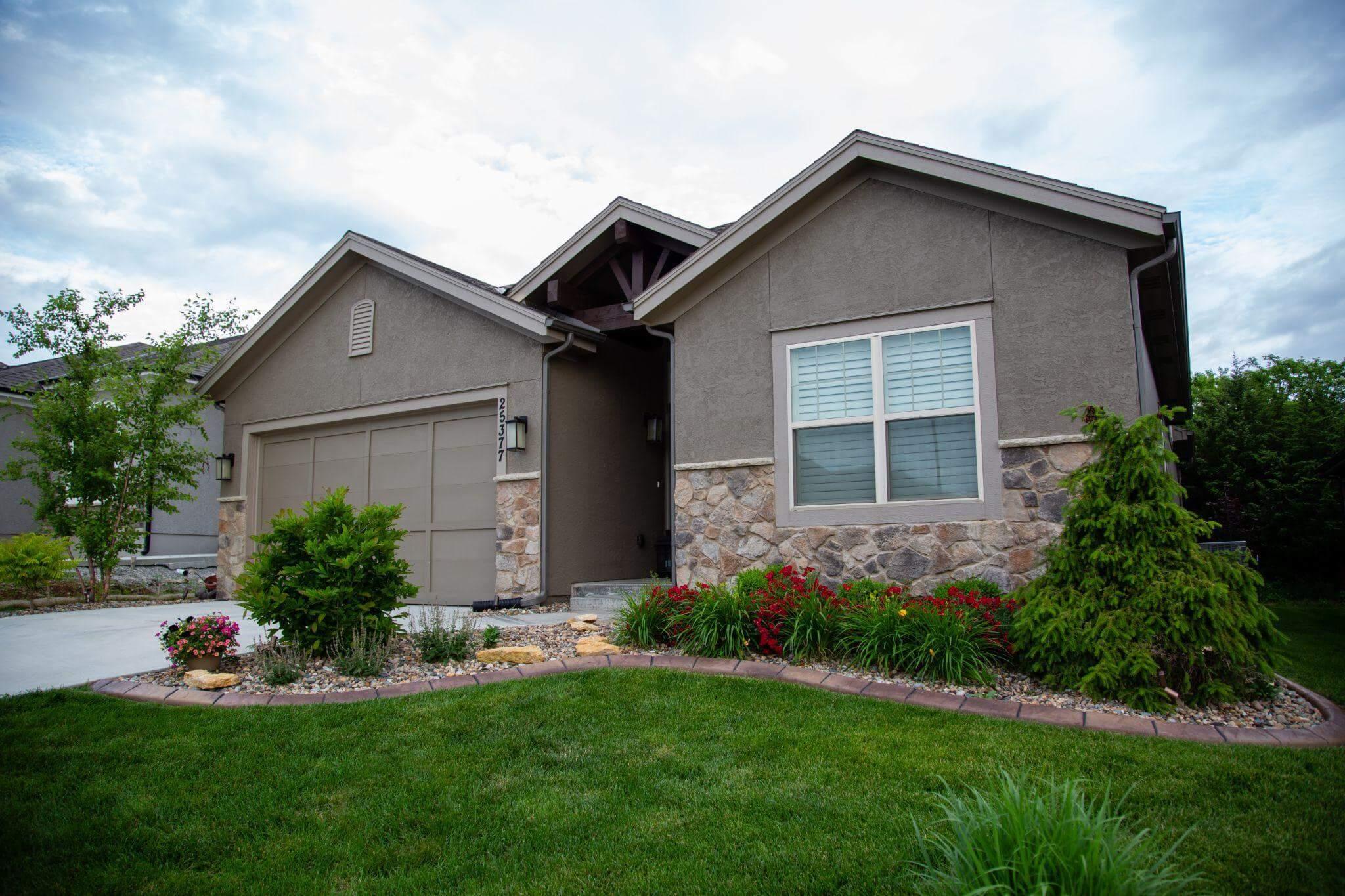
Your property is a living environment influenced by temperature, rainfall, and soil conditions. Because these factors shift season to season, property maintenance cannot be a static service; it must adapt to shifting biological needs. Turf roots, for instance, require different support in the spring than they do in the summer, and shrubs must be pruned during specific windows of time to ensure healthy regrowth.
When care is disconnected from seasonal cycles, issues quickly compound. For example:
- Compacted soil restricts root systems and prevents drainage.
- Drainage problems escalate during heavy rain, leading to erosion or foundation risks.
- Irrigation inefficiencies waste water while failing to reach deep roots, leading to thin turf.
- Thin turf becomes an open invitation for aggressive weed growth.
A strategic plan sees your property as a connected system and addresses these issues before they escalate into expensive repairs. By understanding what tasks are needed each season, you begin to see why every step supports the bigger picture.
That’s the foundation of our 7-Step Lawn Maintenance Program.
1. Start With a Full Property Assessment
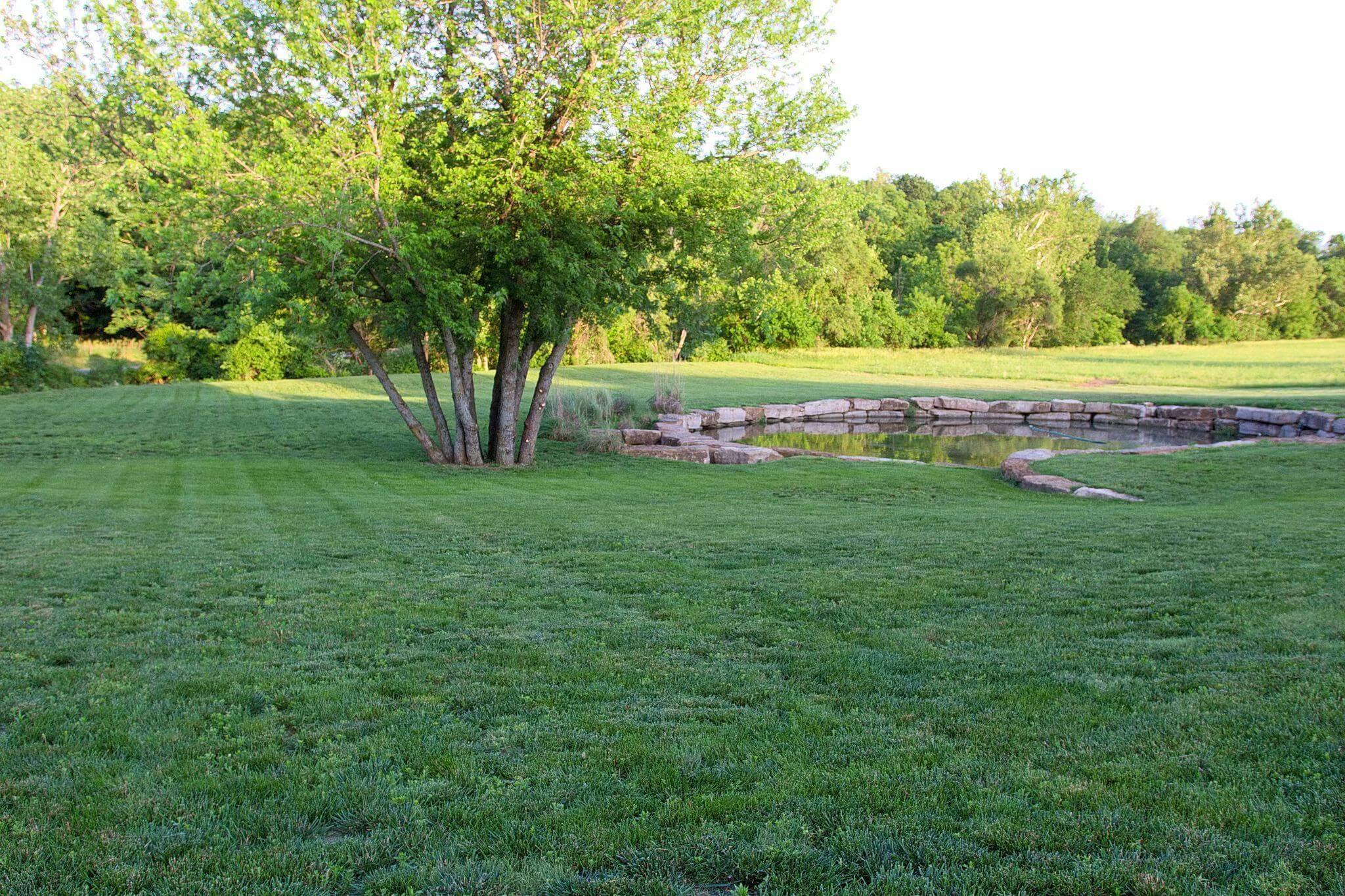
Before building your maintenance plan, you need to carefully evaluate current conditions. An initial walkthrough helps you identify immediate needs while planning for the property’s future health.
Review Turf and Plant Health
A visual inspection serves as the foundation for your maintenance calendar.
Walk the property and assess:
- Turf density and color: Look for signs of brown colored grass and bare spots which could indicate nutrient deficiency or stress.
- Compaction and thinning: Identify high-traffic areas that need extra attention.
- Shrub and tree structure: Note overgrowth, canopy balance, and branch health.
- Bed definition: Check if edges are still crisp, how many weeds are creeping in, and if the mulch is getting thin.
Use a Landscape Grading and Drainage Checklist
Drainage issues are often hidden until a significant rain event exposes them. Using a landscape grading and drainage checklist is the best way to document issues before they lead to plant decline or structural damage.
During your inspection look at:
- Slope direction: Confirm water moves away from foundations.
- Low spots: Identify areas where water collects or “pools.”
- Discharge locations: Check downspouts, swales, and catch basins for blockages.
- Soil erosion: Note any thinning soil along edges or slopes.
Evaluate Irrigation Performance
Turning on each section of the sprinkler system individually is the best way to ensure every component is functioning correctly.
While each area is running, observe the system for:
- Coverage: Ensure the water is actually reaching the plants and turf, rather than hitting the fence or the siding.
- Mechanical issues: Look for “misting” (where the water looks like a fog), leaks at the base of the heads, or sprinklers that aren’t popping up correctly.
- Waste: Check for overspray onto the driveway or sidewalk, and review the controller to ensure the timer matches the actual needs of the landscape.
Regularly assessing these details ensures your irrigation maintenance is effective season to season, improving both your water use efficiency and the long-term health of your property.
2. Understand Seasonal Priorities
Think of your strategy as a structured seasonal landscape maintenance guide rather than a list of random tasks. Each season serves a specific purpose in your landscape’s lifecycle, shifting the focus from growth to protection and back again. This proactive philosophy is the most effective way of preventing landscape issues over time, as it addresses plant and soil needs before they turn into costly problems.
Spring: Restoration and Preparation
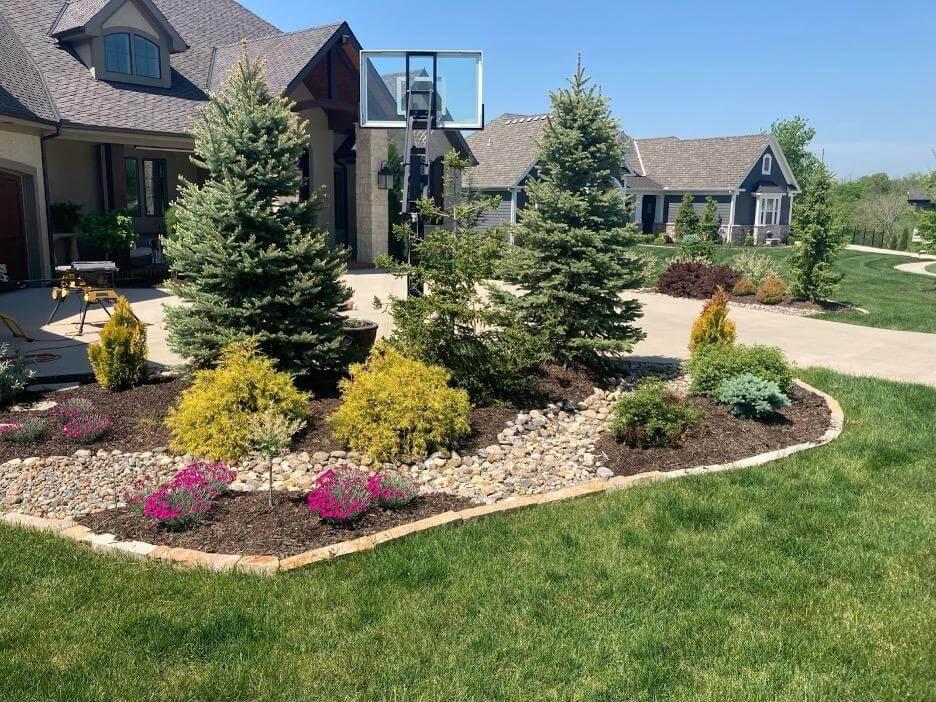
Spring is about laying a strong foundation for the year ahead by helping the landscape emerge from dormancy.
- Turf Recovery: Focus on pre-emergent weed control, ideally with two applications between March and May to stop weeds before they take hold. For faster green-up, mow at a slightly lower height in early spring. Save seeding and core aeration for the fall, when conditions give new grass the best chance to establish. See our 7-step turf program for the full seasonal breakdown.
- Bed Preparation: Remove winter debris and recut bed lines for a crisp look. Apply a fresh layer of mulch to suppress weeds and retain moisture. Perform structural pruning to remove branches damaged by winter ice.
- Irrigation Startup: Pressurize the lines early to check for leaks and update watering schedules to match the mild spring weather.
Summer: Performance Management
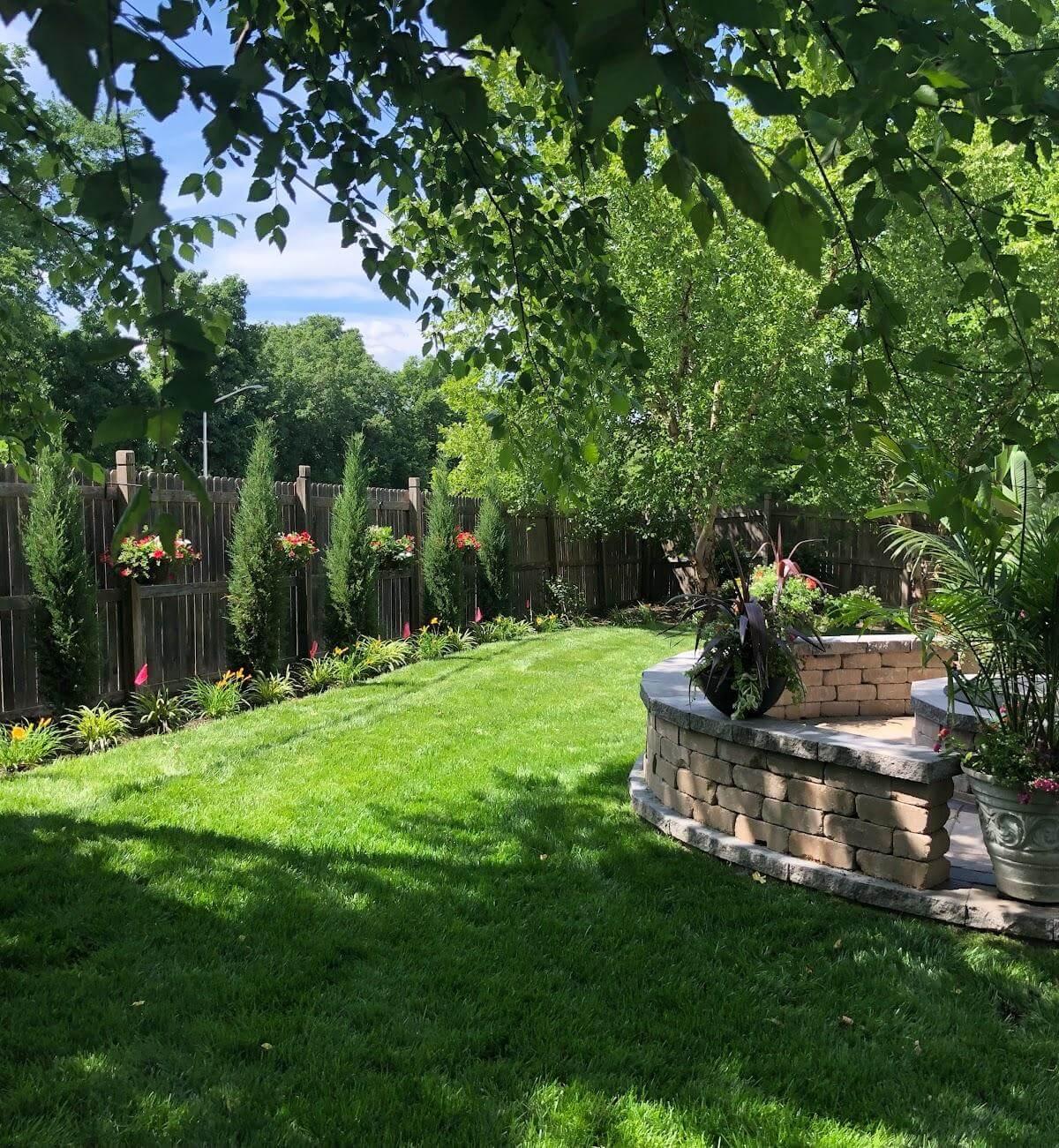
Summer maintenance is about protecting spring growth and managing the stress of heat and lower rainfall.
Early Summer:
- Grub Control: We use a slow-release fertilizer designed to get ahead of late-summer pests. Continue to monitor for signs of grubs.
- Weed Spray: Acting early in summer limits weed growth.
Late summer:
- Check for army worms: Apply preventative treatments ahead of fall army worm season.
- Nutsedge and summer weed prevention: Apply specific treatments for the late-summer weeds. We see in Kansas City.
Late summer is when our crews also carry out a lawn check to plan what’s needed during fall restoration work.
Fall: Reinforcement and Root Strengthening
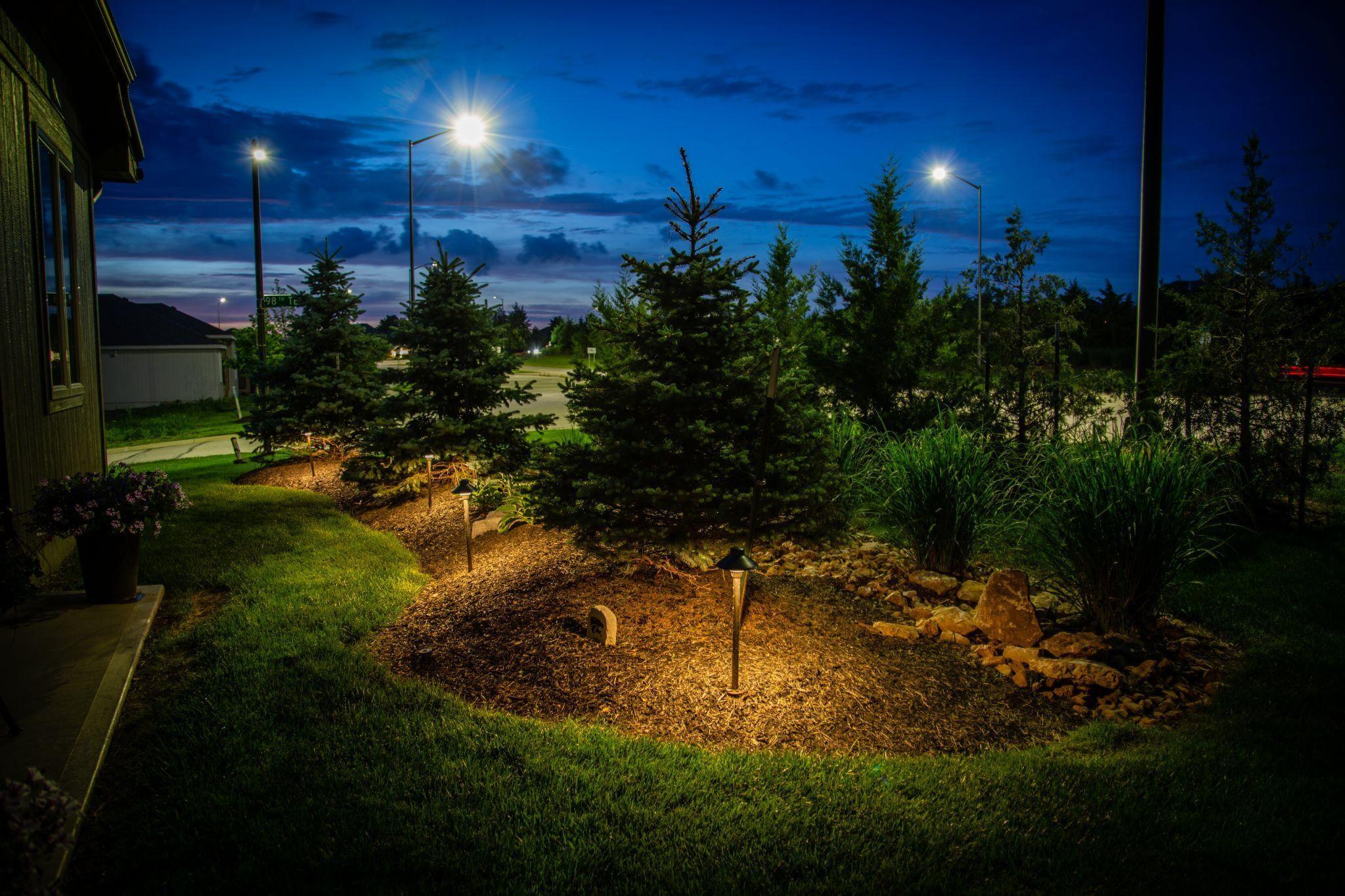
Fall is the most important season for long-term health, as it focuses on reinforcing root systems while the weather is mild.
- Lawn Density: Aerate and overseed in late fall to repair summer wear.
- Apply fall fertilizer: Now is the time to help plants build root strength rather than grow. For more intensive repair, see our fall lawn restoration services.
- Leaves & Debris: Regularly rake or mulch leaves to prevent them from matting down and suffocating the turf, which leads to mold.
- Winterization: Drain irrigation lines completely and blow out the zones with compressed air before the first hard freeze to prevent burst pipes.
You can also apply broad-leaf spray in late fall to help reduce weed growth in the following spring. This step is optional.
Winter: Protection and Planning
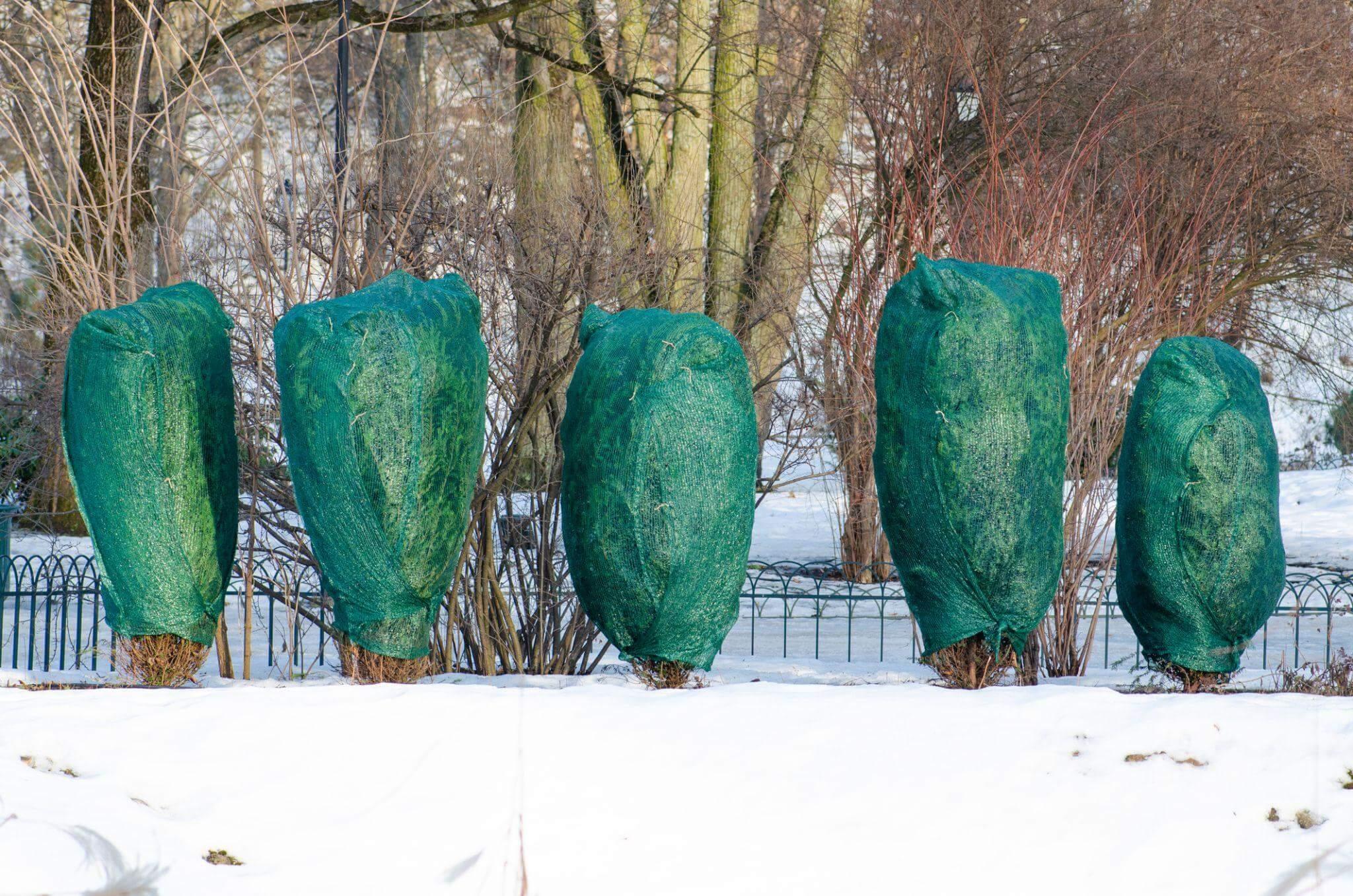
While growth stops, winter maintenance focuses on protecting your investment and preparing for the next cycle.
- Winter fertilization: A final fertilization step tops up nutrients in preparation for spring.
- Performance Review: Use the dormant season to evaluate the efficacy of your irrigation maintenance by season and identify recurring trouble spots—like drainage issues or dying grass—to fix the root cause before the spring rush begins.
- Plan hardscape changes: Use this quieter part of the year to start planning higher-level redesigns, construction, or enhancements to your outdoors.
3. Understand Your Annual Maintenance Schedule
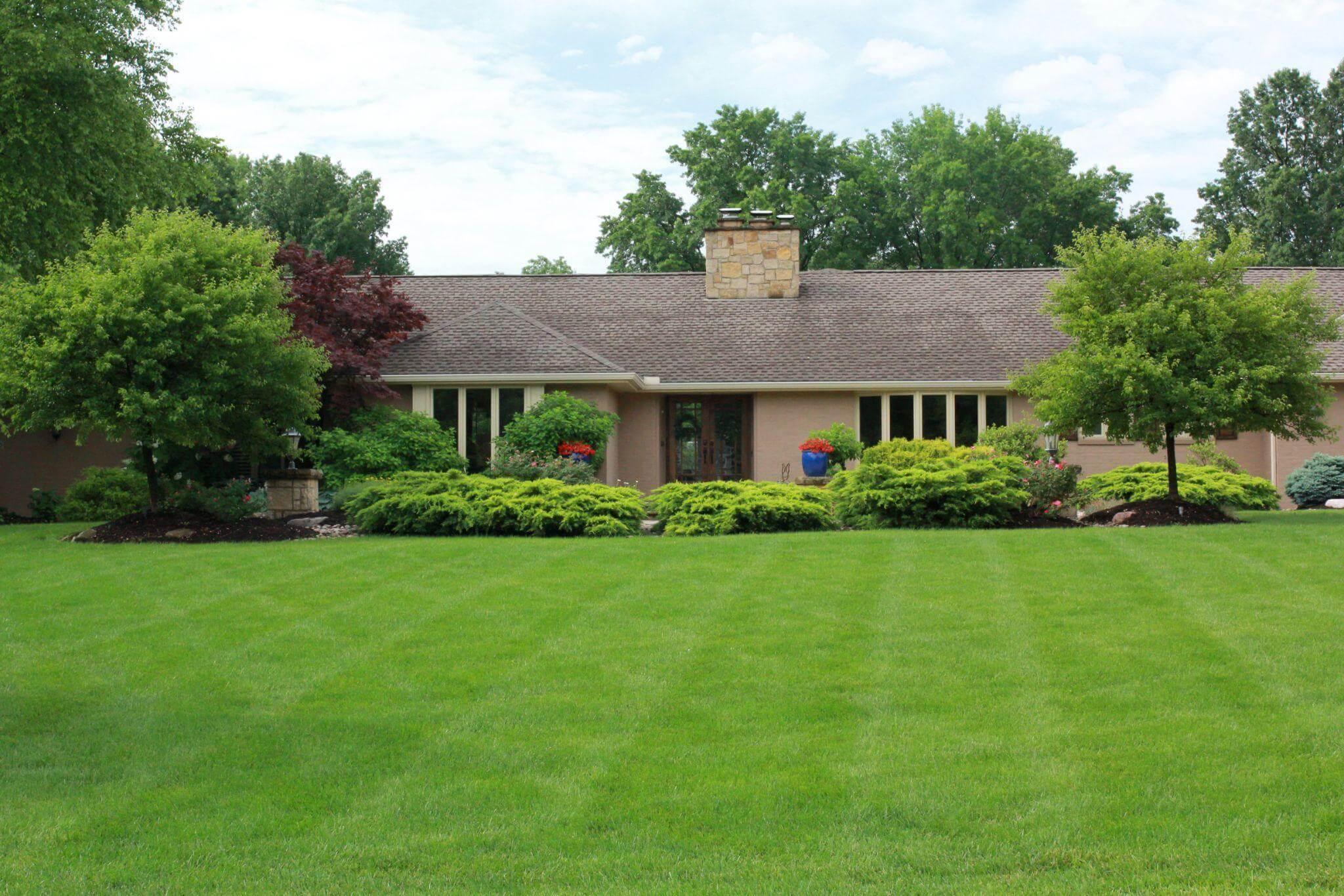
A structured calendar turns high-level seasonal goals into a specific to-do list. Beyond ensuring your outdoor space remains beautiful and functional, a clear schedule streamlines your property management plan. When you know exactly what should be happening and when, you can better coordinate with your maintenance team and ensure the ongoing health and vitality of your grounds through proactive care year-round.
Use the following breakdown to ensure critical tasks – like seeding and winterization are completed at the right time.
Early Spring: Foundations
- Property Cleanup: Remove winter debris, and applying mulch is more important than edging.
- Irrigation Startup: Pressurize the system and inspect heads early to catch any winter damage before the first heat spike.
- Bed Refresh: Install fresh mulch once the ground has warmed and spring cleanup is complete.
Late Spring: Growth and Prep
- Weed Control: Apply pre-emergent treatments before the soil temperature consistently hits 55 °F.
- Mowing: Start your regular mowing routine as soon as the grass begins to grow. Whether you are doing it yourself or using a service, keep the mower deck high enough to manage the spring surge without stressing the turf.
Summer: Maintenance and Protection
- Moisture Control: Monitor irrigation levels and adjust for high-heat stretches in July and August.
- Plant Care: Focus on proper watering during periods of high heat and drought, pulling weeds to reduce overgrowth, and trimming shrubs as needed.
Early Fall: Restoration
- Lawn Density: Aerate and overseed (ideally in September) to repair summer wear and tear.
- Plant Health: Perform structural pruning once plant growth slows.
Late Fall: Closing the Season
- Root Strength: Apply fall fertilization to help the lawn store energy before the first frost.
- Leaf Management: Rake or mulch leaves regularly to prevent matting. Light layers can be mulched back into the soil for nutrients, but heavy piles must be removed to avoid suffocating the turf.
- Irrigation Winterization: Complete your system winterization before the first hard freeze. If you have an above-ground backflow, be sure it’s winterized or brought indoors before the first nighttime freeze.
- Drainage Prep: Clear gutters and drainage basins of fall debris to prevent ice damming and standing water.
Winter: Safety and Strategy
- Weather Defence: Manage snow and ice while protecting vulnerable plants from cold winds.
- Dormant seeding: spot seed high-use areas that you’d like to have more turf next spring. The seeds stay dormant until the weather warms up in spring.
- Performance Review: Identify recurring “trouble spots” to fix root causes rather than symptoms.
- Future Planning: Schedule major enhancements and drainage projects before the spring rush.
A clear residential landscape maintenance schedule ensures that no critical window is missed. It also simplifies coordination with service providers.
4. Prioritize Soil Health Throughout the Year
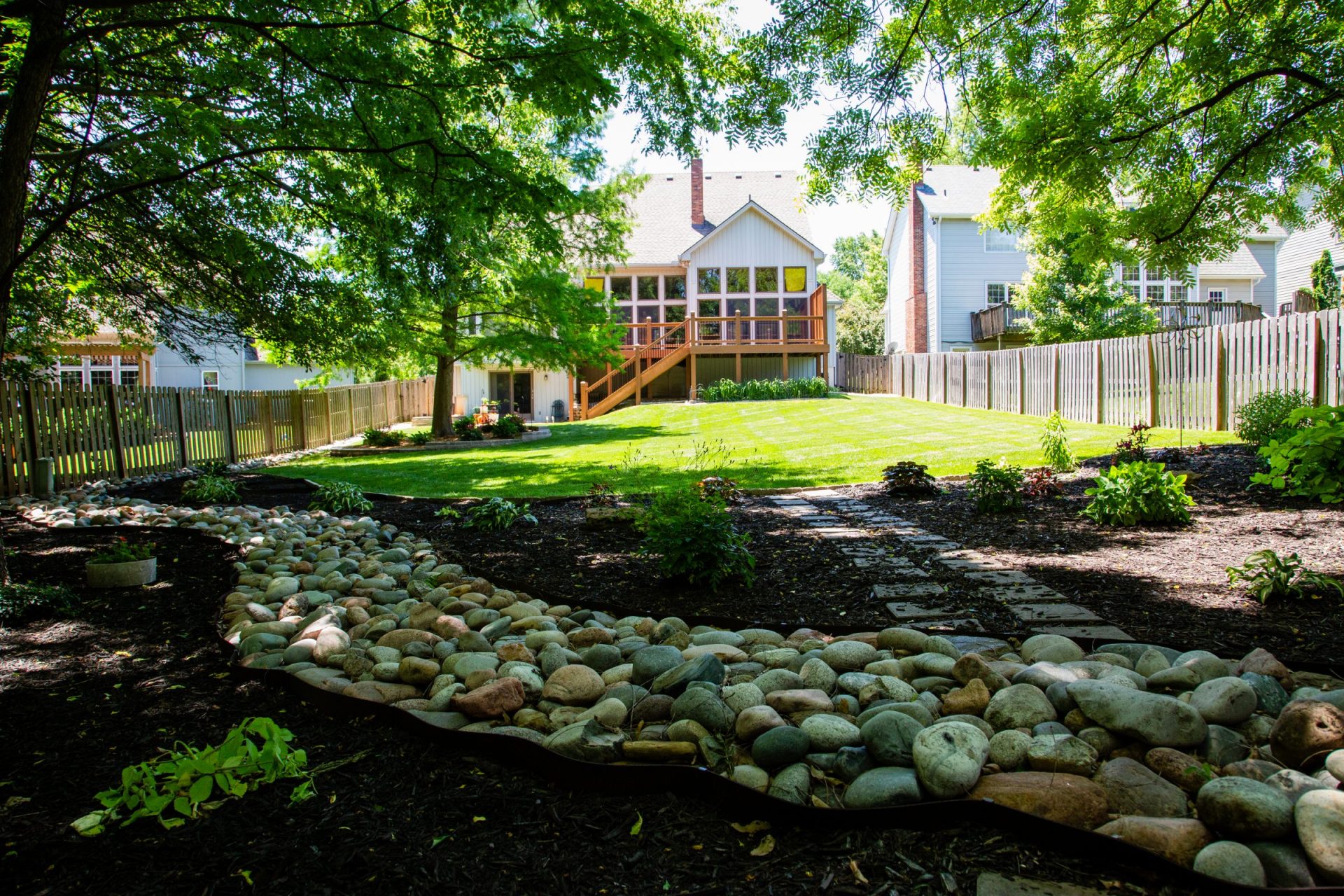
Healthy soil is the engine for everything above the surface. Without the right structure and nutrient balance, even the most frequent maintenance won’t produce a thriving landscape.
To build a more resilient environment and reduce the need for expensive “rescue” treatments, focus on these core steps:
- Core Aeration: Pulling “plugs” from the earth allows oxygen and water to reach the root zone, preventing the soil from becoming too tight.
- Fertilization Timing: Apply nutrients only when the grass is actively growing and able to absorb them.
- Managing Compaction: Avoid heavy traffic or equipment on wet ground to keep the soil from packing down and “choking” the roots.
We generally don’t recommend soil testing. Following the above steps will help your soil develop the right nutrients for healthy plant growth.
If you are interested in testing your soil, the Kansas State Extension Office offers low-cost soil testing to homeowners.
5. Focus on Prevention to Avoid Correction
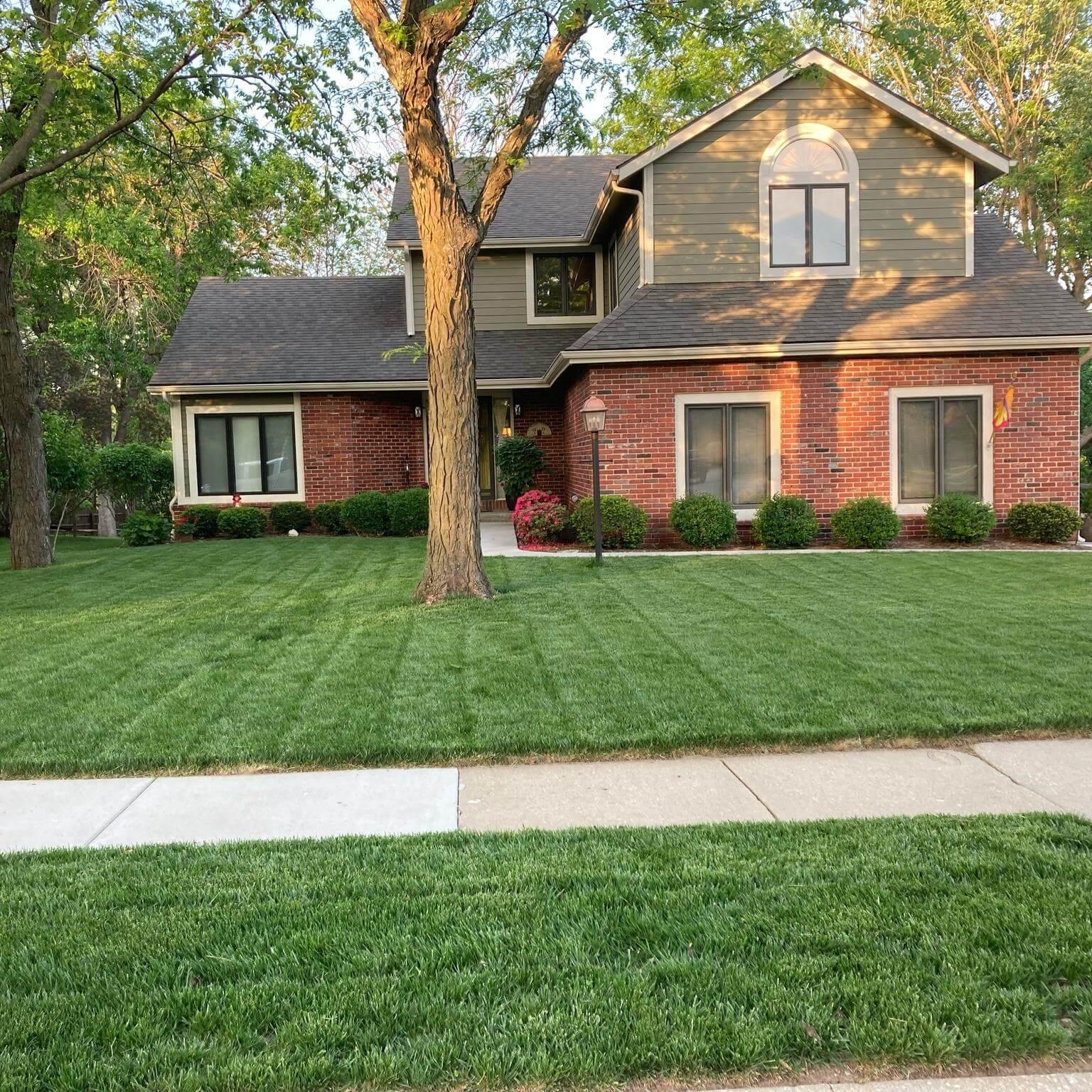
The most effective way to manage your grounds is to stop problems before they start. A reactive approach is almost always more expensive than a preventive one, and prioritizing the health of the ecosystem ensures your surroundings remain vibrant and easy to manage in the long term.
A proactive approach is built on four essentials:
- Timing: Preventive applications, such as pre-emergents for weeds, are far more effective than trying to eliminate a problem that has already taken hold.
- Observation: Regular walk-throughs allow you or your maintenance team to spot issues before they require major intervention. Look for early warning signs such as:
- Persistent standing water or drainage failures
- Uneven turf color or localized dry spots
- Plant wilting during moderate temperatures
- Shrub overgrowth near structures or windows
- Hardscape shifting or cracking in walkways
- Consistency: Maintenance is cumulative; skipping a single season of aeration or leaf management can often set progress back by years.
- Lifecycle Planning: A thoughtful plan anticipates that plants age and irrigation components eventually wear out. Budgeting for phased improvements and gradual renovations maintains stability rather than forcing emergency, high-cost decisions later.
6. Integrate Drainage and Grading Into Ongoing Care
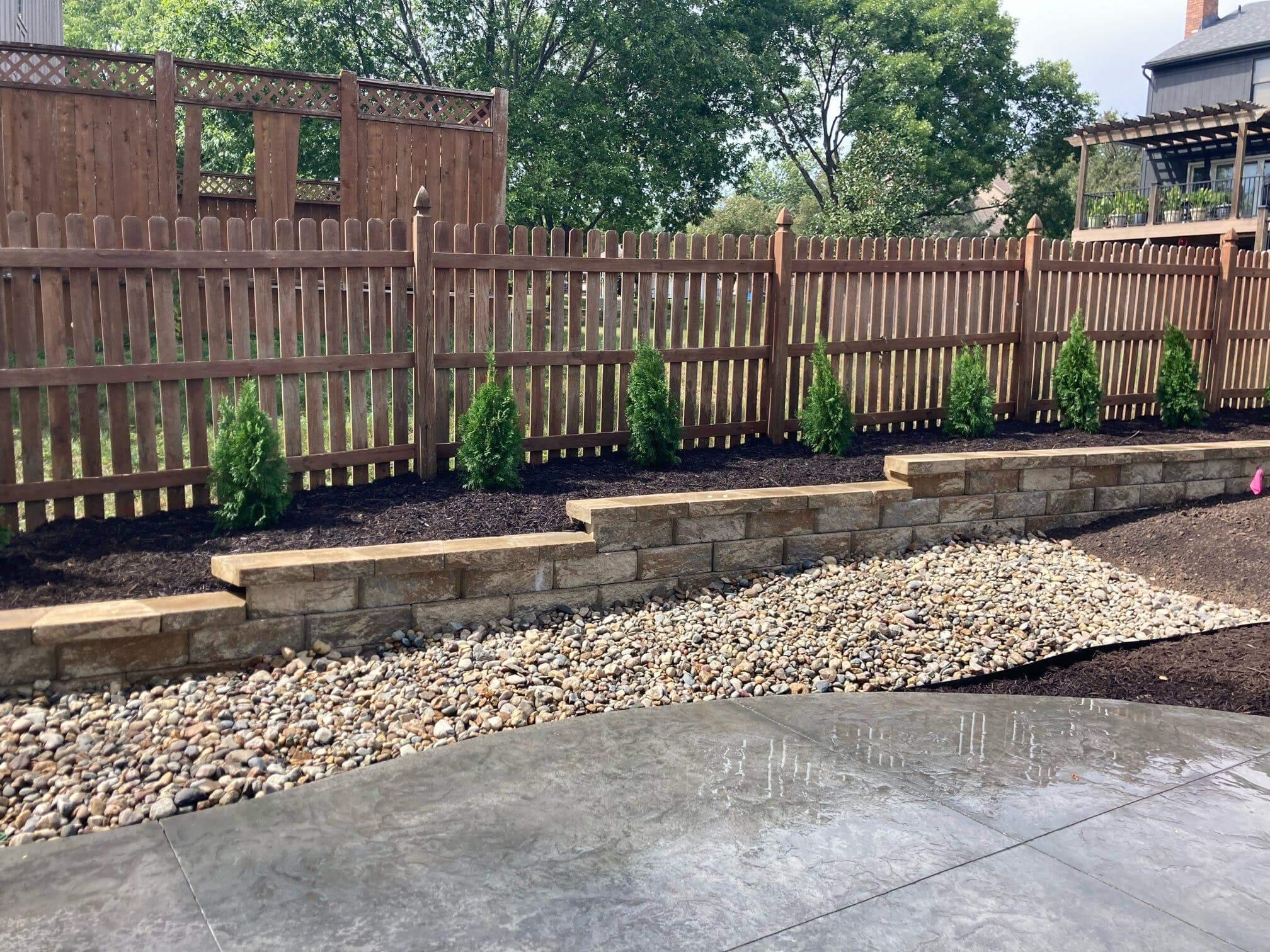
Drainage is rarely a one-time fix. As soil settles, roots grow, and hardscape shifts, your landscape’s ability to handle water changes. Annual adjustments prevent the high costs of erosion and foundation damage while keeping your grounds stable and dry.
To maintain proper water flow on your property, keep an eye on these three important elements:
- Grading: Ensure grading still directs water away from structures. Mulch buildup or erosion can easily create “bowls” that trap water near the house.
- Clear Drains: Keep catch basins and downspouts free of debris so water flows freely to its exit point.
- Soil Aeration: Fix compacted areas where standing water drowns roots and kills the grass.
7. Choose a Reliable Maintenance Company
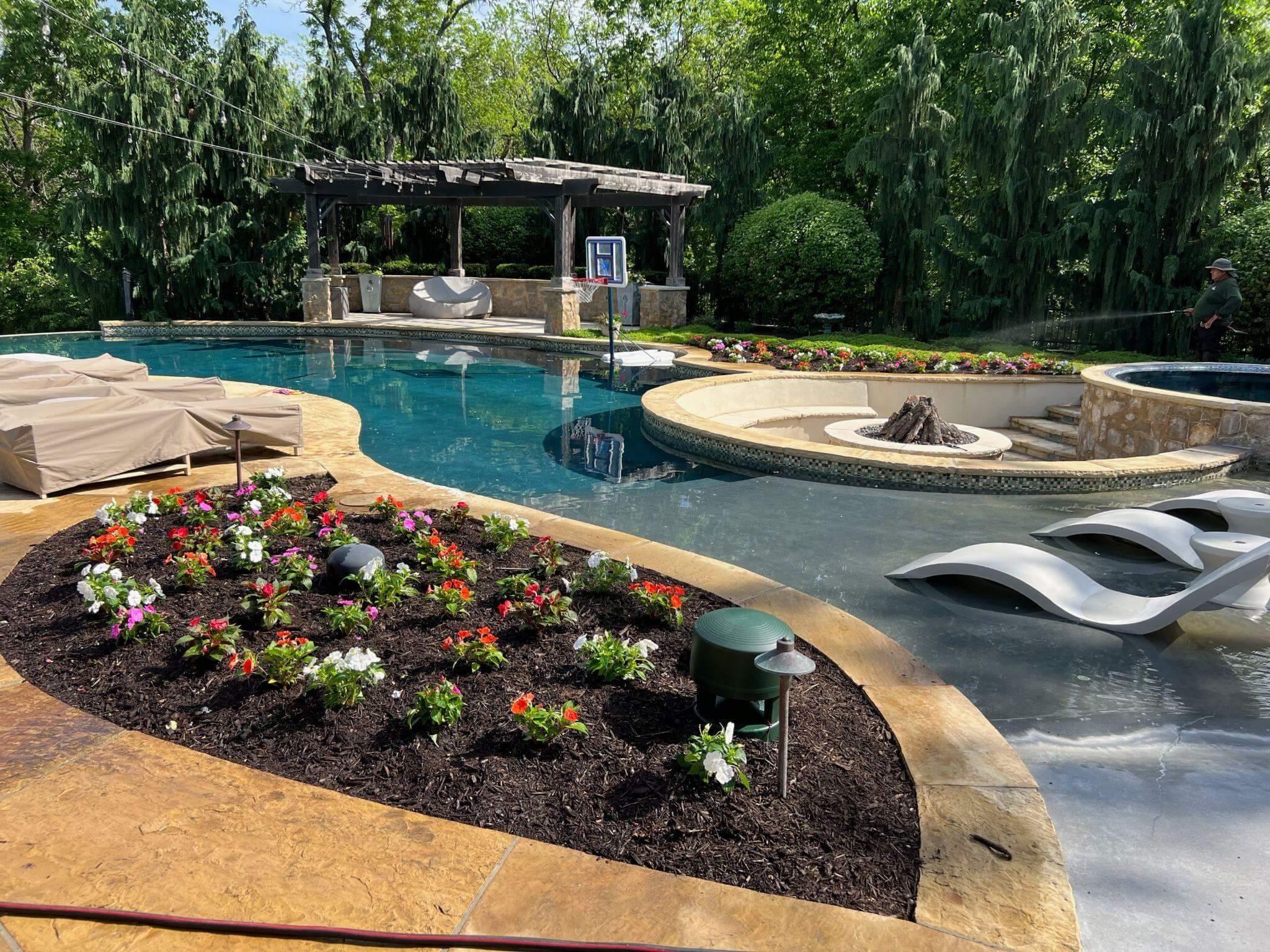
If you want to hire a local company to build your lawn and landscape maintenance plan, look for the following signs:
- They clearly state what their services include: This helps you know what you’re getting in your quote, and whether they match the items covered in this post.
- They communicate clearly: Working with professionals should mean professional service. You should always be able to ask questions and get honest answers about your property.
- They have a website: A website shows that the company is well-run and gives you a resource to learn more about them.
- They have positive Google reviews: Look through their reviews to see what others have said about working with the company.
- They have expertise: This should be obvious from their website, Google reviews, social media and blog posts. Anyone can pick up a mower, but it takes experience to understand how to grow a healthy outdoors for the long term.
8. Budget for Stability

One of the greatest benefits of a structured year-round plan is financial predictability. Instead of absorbing enormous, unexpected repair costs, a proactive budget spreads your investment throughout the year and prevents large bills for repair work.
Reduce financial surprises by accounting for the following in your budget:
- Routine Maintenance: Fixed costs for lawncare, pruning, and general upkeep.
- Drainage & Soil: Ongoing irrigation adjustments, fertilization and weed control, and drainage corrections.
- Seasonal Services: Scheduled cleanup services in fall and spring that restore your property and clear debris.
- Contingency & Snow: Planning ahead for unpredictable needs, such as storm cleanup or snow management.
Without maintenance, your property will start to develop issues. They may remain invisible over a season or two, but little by little they can cause long-term damage. That can be a big bill that’s completely avoidable with consistent maintenance.
Ready for a Professional Maintenance Plan?

Your property should be a source of pride rather than a management burden. If you are ready for professional support, we can help you design and implement a customized strategy tailored to your landscape. Our team handles the essential details – from protecting plant health and irrigation efficiency to strengthening soil performance – to ensure your property thrives in every season.
Take the first step toward a healthy and vibrant landscape in every season: Request a quote from Mears Lawn & Landscape today.
Summary
Landscapes thrive when care is intentional and aligned with natural cycles. A thoughtful maintenance plan does more than just preserve appearance; it builds a foundation of long-term health by strengthening soil, protecting plant vitality, and ensuring that irrigation and drainage systems perform at their peak.
By combining a seasonal maintenance strategy with a clearly defined schedule, you create a system that remains resilient through every weather shift. This proactive approach ensures the property looks polished year-round while protecting against the gradual deterioration that leads to expensive, large-scale repairs. When maintenance is consistent and professional, your landscape evolves from a recurring concern into a stable, high-performing asset.
Tags: